Ravi
Coltrane Quartet Centennial Celebration (Carhartt Amphitheater Stage)
In
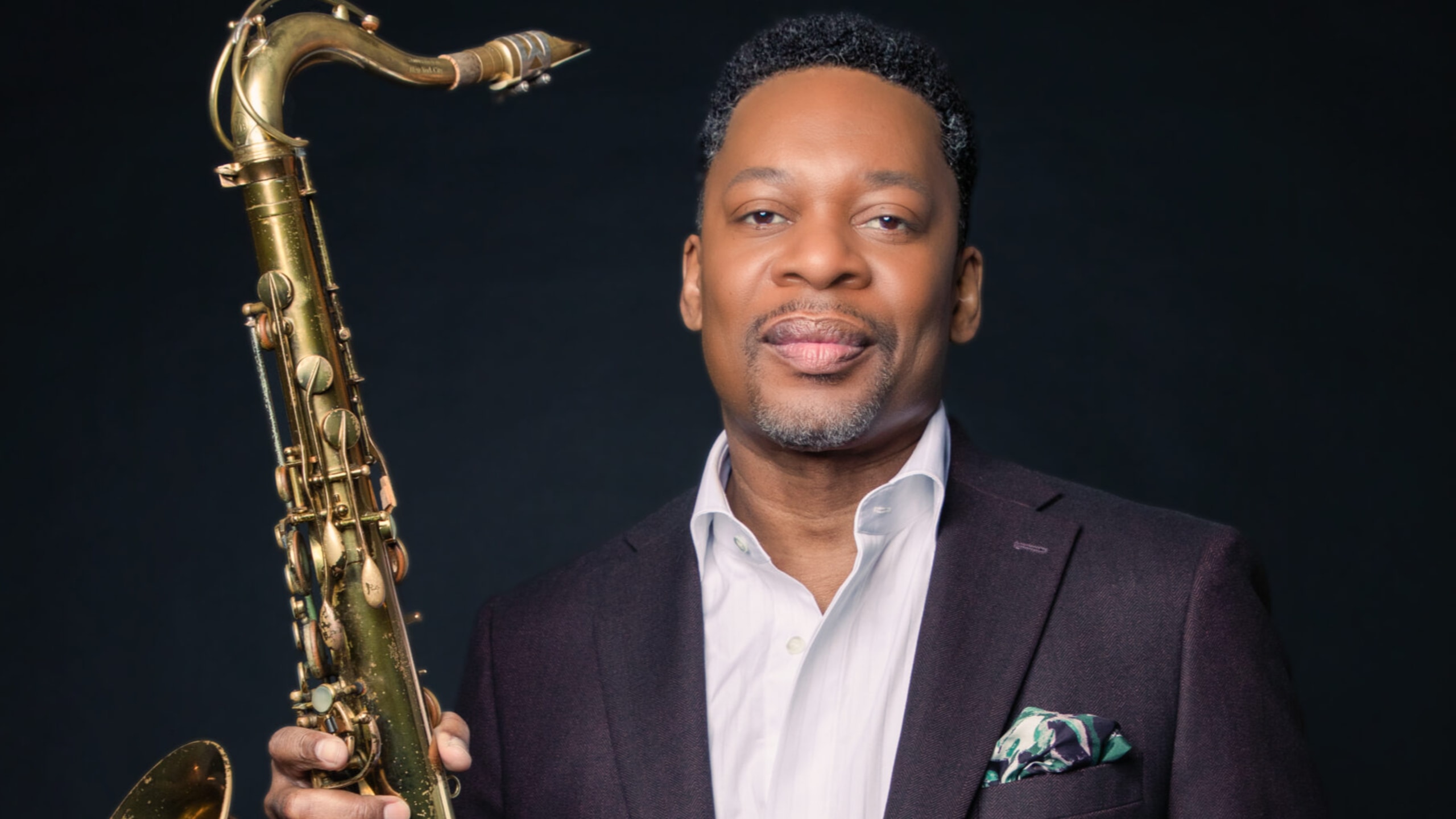
2009, when I profiled saxophonist Ravi Coltrane for the Metro Times, I asked
why he had not performed his father John Coltrane’s music. At the time, he was
determined to build his own name rather than ride his father’s coattails, and
he told me the best way to honor that legacy was not to recreate it. Since
then, recordings including “Spirit Fiction,” “Moving Pictures,” and “In Flux”
have established him as a force. During this hour-plus set at the 47th
Annual Detroit Jazz Festival, he sounded fully at ease playing his father’s
repertoire. My favorite moments of the set were the opening “Acknowledgment”
and “Resolution,” movements from the landmark album “A Love Supreme.” On “Equinox”
and “Expression,” Coltrane played with more daring and aggression than I had
ever heard from him live. His solo on “Naima” sounded as if his father’s spirit
was beside him, whispering in his ear what notes and changes to play.
Bob
James (JPMorgan Chase Stage)
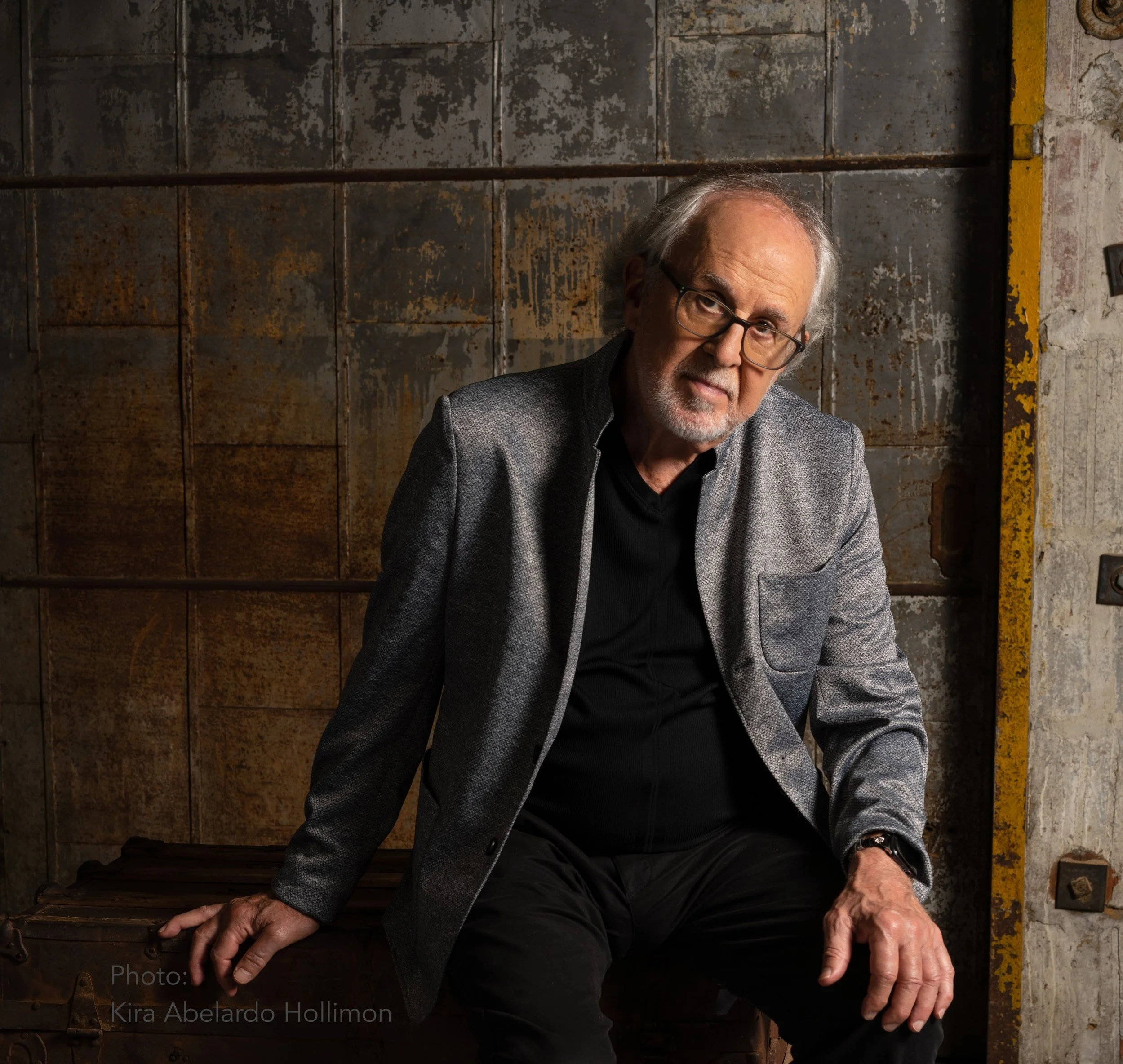
Pianist
Bob James has long blended post-bop and smooth-jazz elements with unusual
fluency, and on Saturday evening he delivered a rousing hour-long set. It was
my second-favorite performance of the festival—a surprise because smooth jazz
has never been my preference. James won me over through the elegance of his phrasing,
especially on Roberta Flack’s classic “Feel Like Makin’ Love.” He was in top
form, but Ukrainian saxophonist Andrey Chumut often became the center of
attention, moving from a sweet tone on his original “Moving Forward” to a more
commanding attack on James’s “The Music of Freedom.” By the middle of the set,
he had the capacity audience in his hands.
African
Rhythms Alumni Quintet: Celebrating the Centennial of Dr. Randy Weston (Carhartt Amphitheater
Stage)
Jazz
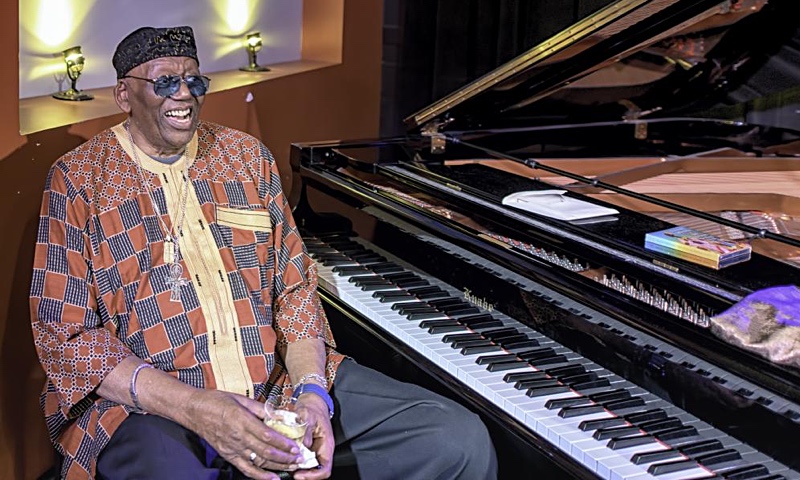
pianist Randy Weston would have turned 100 this year, and several former
bandmates—including alto saxophonist TK Blue, pianist Sharp Radway,
percussionist Chief Baba Neil Clark, trombonist Ku-umba Frank Lacy, and bassist
Alex Blake—honored him with the festival’s most thoughtfully conceived tribute.
The quintet opened with Weston’s classic “Hi-Fly,” then remodeled his signature
works “Anu Anu,” “The Gathering,” and “Portrait of Patsy J.” Rather than merely
reproducing his arrangements, the musicians channeled his expansive rhythmic
language, with longtime collaborator Blake adding especially vivid color on
bass.
Artemis
(Waterfront
Stage)
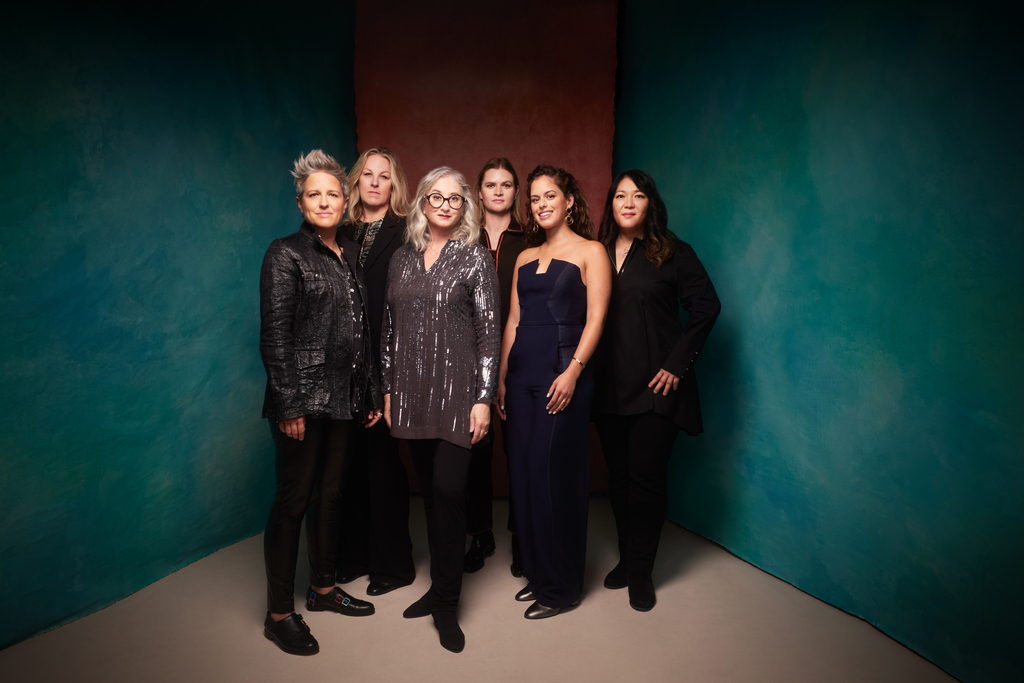
Artemis had made a persuasive case for being one of jazz’s finest ensembles. Pianist Renee
Rosnes, drummer Allison Miller, bassist Noriko Ueda, trumpeter Ingrid Jensen,
and saxophonist Nicole Glover offered a master class in collective virtuosity.
Their set leaned heavily on standards including “What the World Needs Now is
Love Sweet Love,” “Hackensack,” and “Flamenco Sketches,” but the original
“Sight Unseen” revealed the group at its most distinctive. The musicians
listened and responded with such precision that even familiar standards seemed
fresh off the assembly line, each player in lockstep with the others without
sacrificing an individual voice.
Ron
Carter Foursight Quartet (Waterfront
Stage)
Ron
Carter’s set was not billed as a tribute to his former boss, trumpeter Miles
Davis; however, its emphasis on Davis-associated compositions made it feel like
an unofficial centennial celebration. Carter is known for threading tunes
together until the compositions take on the shape of a carefully built suite,
and his quartet sustained that continuity with remarkable ease. Pianist Renee
Rosnes, drummer Payton Crossley, and tenor saxophonist Jimmy Greene swung with
seemingly inexhaustible energy, while Carter anchored every transition with his
polished tone. At 89, he remains a commanding bassist, and this was post-bop at
its finest.
Cindy
Blackman Santana
(Carhartt Amphitheater Stage)
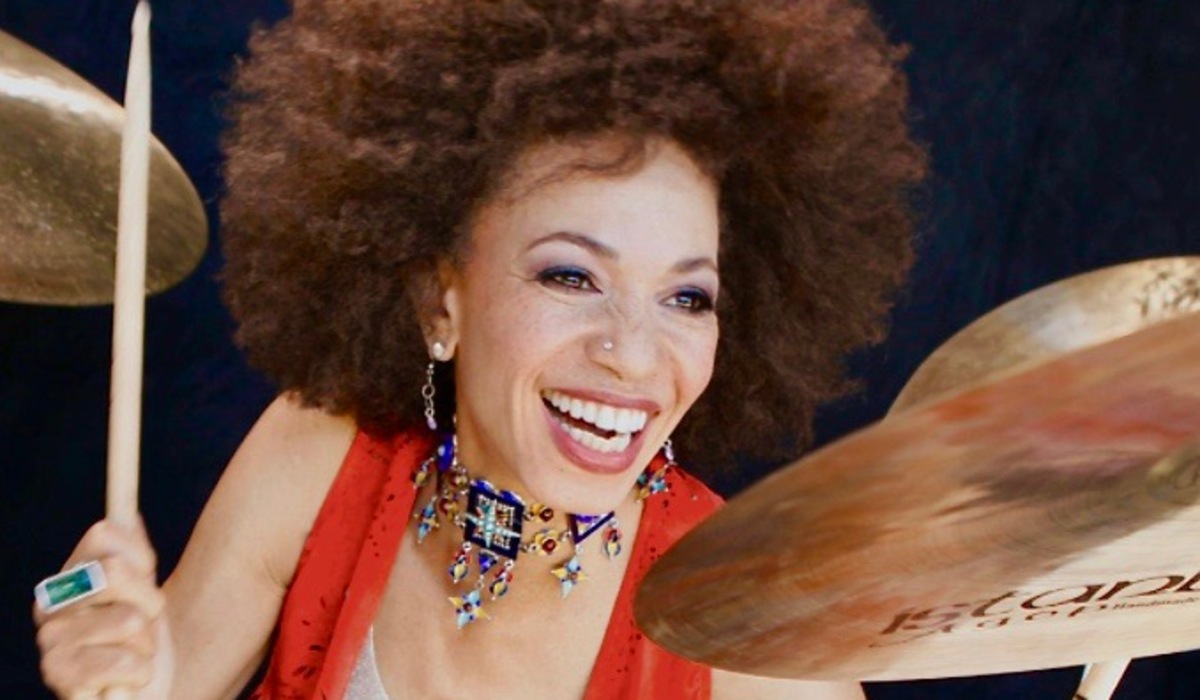
Cindy
Blackman delivered the festival’s funkiest set. Few drummers I have encountered
in my years as a music journalist match her combination of power and control. She
sucks you in and releases you when she is damn good and ready. Her saxophonist was
equally captivating. The set moved furthest toward the jazz tradition when Blackman
surprised the crowd with a revamped take on Miles Davis’s “Blue in Green.”