Tuesday, September 2, 2025

STANDOUT SETS FROM THE 2025 DETROIT JAZZ FESTIVAL


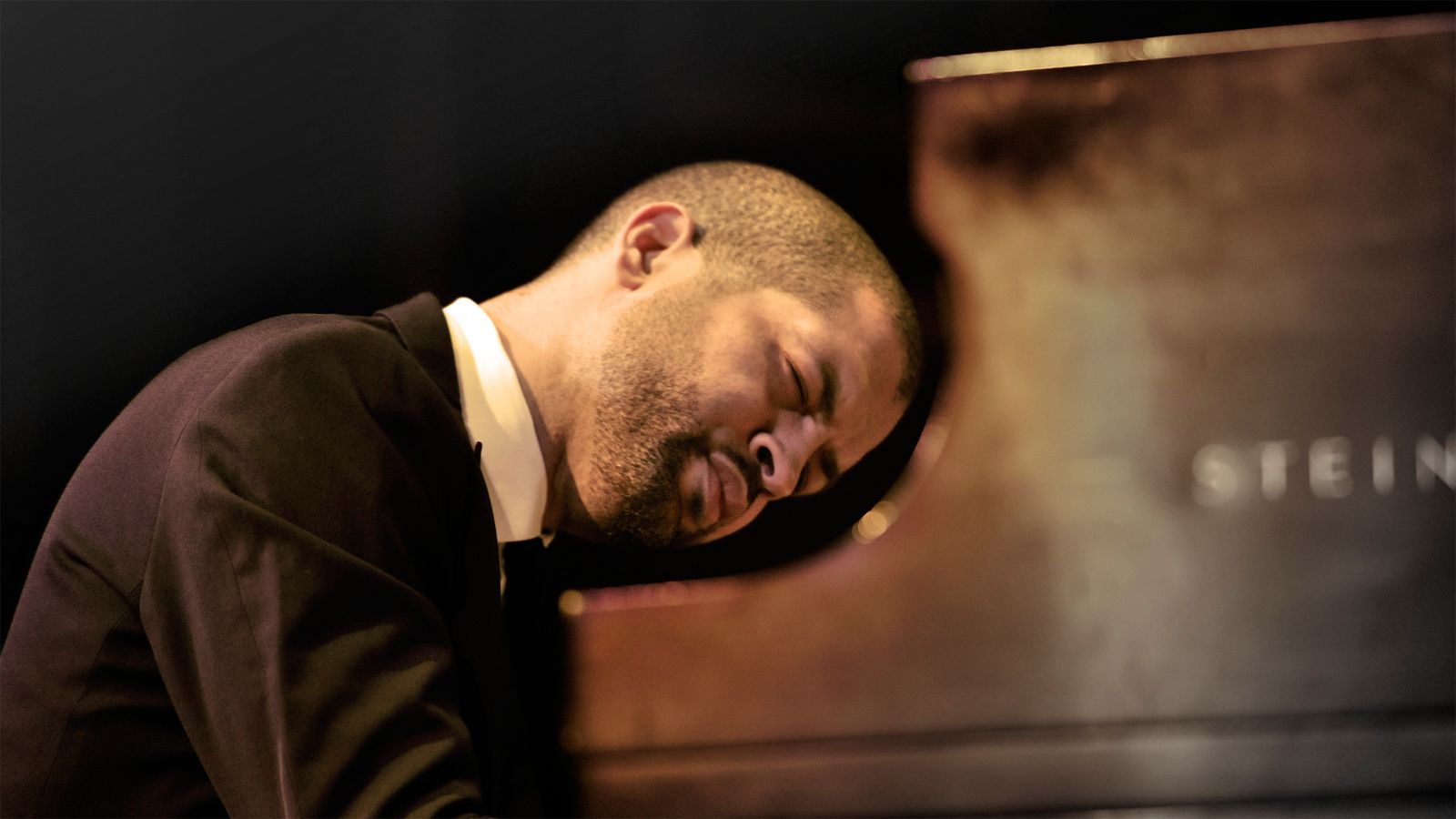
Pianist Jason Moran

Jason Moran and Jeff Mills with special guest Jessica Care Moore (Friday Carhartt Amphitheater Stage)

I believed wholeheartedly this opening night performance was one of the more inventive in recent years and set the tone for how special this year’s Detroit jazz fest was going to be. Moran is a worldwind force in jazz, Mill is one of the founding fathers of Techno music, and Moore is one of the best writers Detroit has ever produced. Mixing their respective talents was pure delight. And Moore’s culturally and politically conscious poems mixed beautifully with the improvisational magic Moran and Mills created.


Chris Potter Trio featuring Matt Brewer and Kendrick Scott
(Saturday Carhartt Amphitheater)

Listening to Potter’s Saturday afternoon set, I couldn’t help thinking about something that saxophonist Sonny Rollins told me. That you must be an exceptional musician to play in a band without a pianist. No one in their right mind would argue that Potter, Brewer, and Scott aren’t world-class jazz musicians who could swing in whatever musical situation they are in. A whole lot of swinging was exactly what the Potter trio served up, moving proficiently from standards to original material. Potter is a tenor saxophonist with a substantial discography and mastery of his instrument. Solo after solo, Potter gobbled up the music changes like Halloween candy.
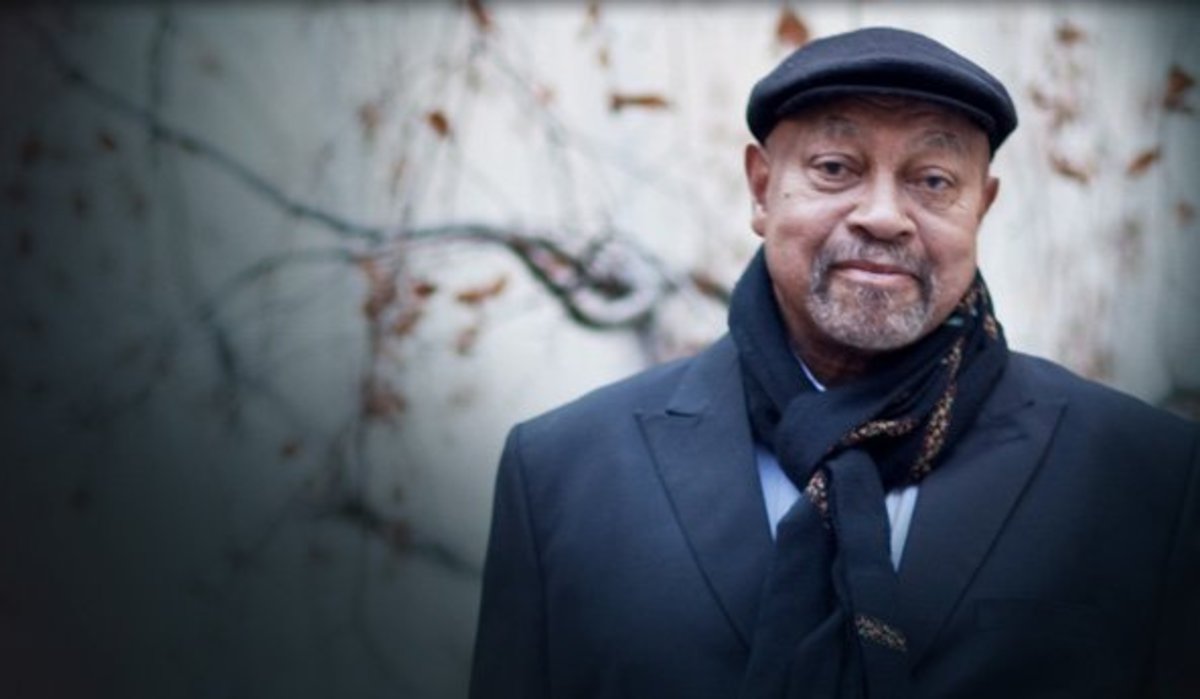

Pianist Kenny Barron
Kenny Barron Voices featuring Tyreek McDole (Saturday JP Morgan Chase Main Stage)

Kenny Barron is one of the best jazz pianists in the history of jazz, and he doesn’t need to bring any extras during a performance because his playing is so soul-grabbing that any extras are overkill. For his Detroit fest performance, Barron offered more than himself this time around. He introduced to the jazz fest a magnificent young vocalist named Tyreek McDole, who had the audience eating out of his hands a short time after he began singing. Two of my jazz friends, Ronald Lockett and Debbie Tent, implored me to catch this set, and I'm glad that I listened to them. Barron, of course, was amazing, and McDole's mature and enticing voice melted in the audience’s ears.


Pianist Hiromi
Hiromi’s Sonicwonder
(Saturday Carhartt Amphitheater)

Hiromi’s performance was a fitting follow-up to Jason Moran’s opening night set, although it wasn’t designed to be. Hiromi is an energetic pianist and a creative dynamo, rare these days in jazz circles. She raced up and down the piano like a madwoman, even at times banging the keys with her elbows. Her brand of swing may not appeal to the average jazz purist, but it would appeal to a listener searching for a pianist who is comfortable swinging outside the lines.


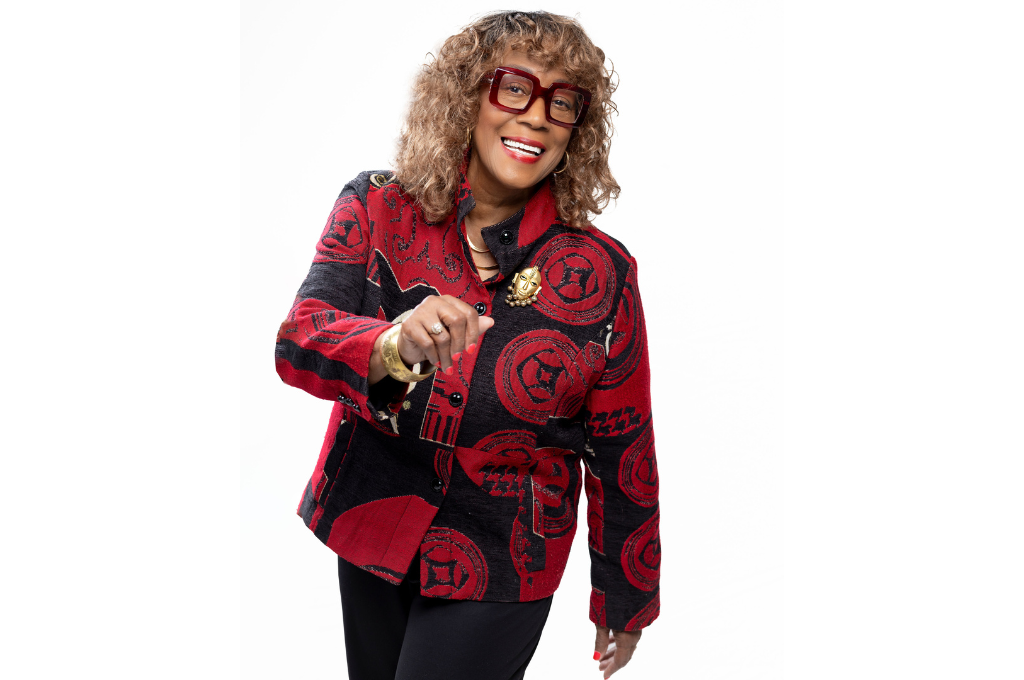
Vocalist Joan Belgrave
Detroit Jazz Queens-Paying Homage to Those Upon Whose Shoulders We Stand Ella, Nancy, Dinah, Etta (Sunday Absopure Waterfront Stage)

This set was a beautifully produced homage to four jazz vocalists who had a lasting impact on the music. And a tribute of this magnitude could have only been pulled off by vocalists who also profoundly impacted the music: Joan Belgrave, Joan Crawford, Diane Mathis, and Tonya Hood. The wonderful thing about this set was that neither of the vocalists attempted to emulate the style of the vocalists they were honoring. Belgrave, Crawford, Mathis, and Hood brought their own uniqueness to the songs that Ella, Nancy, Dinah, and Etta immortalized. This set was unadulterated vocal jazz at its absolute finest.


Saxophonist Lakecia Benjamin
Lakecia Benjamin (Sunday Carhartt Amphitheater)

I had my fingers crossed for years that the organizers of the Detroit jazz fest would book saxophonist Lakecia Benjamin. I have experienced her twice before in Detroit. The last time at a church. She couldn’t cut loose like she usually does. I felt the Detroit jazz fest would be a good place for her to be herself, and her Sunday afternoon set didn’t disappoint. She opened the set with an ode to John Coltrane, nearly blowing the sun out of the sky. Then she moved to selections from her Grammy-nominated albums. The best part of the set was her band stretching out on “My Favorite Things” and the dynamic exchange between Benjamin and drummer Terreon Gully, a newcomer to her band.


Pianist Jason Moran
Jason Moran Presents the Music of Duke Ellington featuring the Detroit Jazz Festival Collegiate Jazz Orchestra (Sunday JP Morgan Chase Main Stage)

For the past few years, pianist Jason Moran has been immersed in the music of Duke Ellington, and he let the Detroit jazz festival audience in on the extent of his immersion with Ellington's music by performing many of Ellington’s signature compositions with the Detroit Jazz Festival Collegiate Jazz Orchestra. In the hands of Moran and the collegiate musicians, Ellington's music was expertly performed, and it was good to hear the next generation swing their way through the music. The highlight of the set was the orchestra burning through Ellington’s “Bragging in Brass.” Jason was so taken with how the orchestra handled that complicated piece, Moran surprised the orchestra and the audience by having the orchestra perform it again.
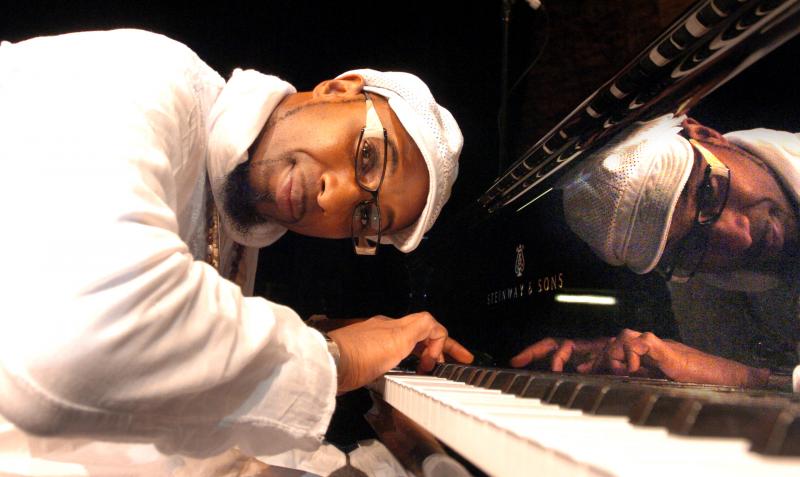

Pianist Omar Saso
Omar Sosa Quarteto Americanos (Sunday Carhartt Amphitheater)

Pianist Omar Sosa is the reigning king of Afro-Cuban jazz, and he proved why that title is apropos. Sosa had the piano sweating like a personal trainer. Sosa delivered an hour-plus of feel-good swing.


The Branford Marsalis Quartet
The Branford Marsalis Quartet (Sunday Carhartt Amphitheater)

This was Marsalis' first set at the Detroit jazz festival in 15 years. It was a set that I’ve seen Marsalis deliver many times, and yet his band pianist, Joey Calderazzo, bassist Eric Revis, and drummer Justin Faulkner never disappoint. The set opened with “The Mighty Sword” followed.

by “There’s No Sweet Man Worth the Salt of My Tears.” Here’s where you get to see the best pianist and drummer duo in the business show their ass. Witnessing the two music soulmates trading is always engaging. Marsalis surprised the audience by inviting Lakecia Benjamin to join his band. I thought Benjamin needed at least 24 hours to recover from her thunderous set.

Monday, May 19, 2025

JAZZ BASSIST RODNEY WHITAKER PERFORMS MUSIC FROM HIS NEW ALBUM ‘MOSAIC: THE MUSIC OF GREG HILL’ AT THE DIRTY DOG JAZZ CAFÉ’


Bassist Rodney Whitaker

Rodney Whitaker, a jazz bassist, played music from his new album “Mosaic: The Music of Gregg Hill” at the Dirty Dog Jazz Café over the weekend. I caught the late show on Friday and noticed something about Whitaker that people don’t often talk about. Those who know his background are aware of his time with Jazz at Lincoln Center, his success as a bandleader, and his role in making the jazz program at Michigan State University one of the best in the world. He is also great at putting together top-notch bands, often mixing his students, local Detroit musicians, and well-known jazz musicians. This was clear at Friday’s show. His band featured trumpeter Dwight Adams, drummer Dana Hall, pianist Brendon Davis, saxophonist Allen Paige, and special guest Rockelle Whitaker, his daughter, who was the star of the band. The set began with a Joe Henderson classic. Then, Whitaker led the band through songs from “Mosaic,” featuring Gregg Hill’s music. Hill’s work has been on albums by guitarist Randy Napoleon and trombonist Michael Dease. Hill started his music career later in life, but he quickly became a sought-after composer. Whitaker has been a great promoter of Hill’s music. The concert’s highlights were solos from Adams, Detroit’s top trumpeter, and Davis, one of the best pianists of his generation. Adams’s soloing on songs like “Slow Gin Fizz” shook the Dog’s foundation. I only get to hear Adams once or twice a year, but he always manages to sound better each time. This is impressive since his skills are already comparable to those of great trumpeters like Donald Byrd and Freddie Hubbard. Davis’s playing has grown a lot in the brief time he’s been in the Detroit jazz scene. He swung on Friday night as if playing in Whitaker’s band was a major goal on his career vision board. What is striking about his playing is his control and his ability to dazzle without being overly showy. Rockelle Whitaker is always delightful when she joins in. She came on stage after the fourth song and captivated the audience with her first song. She is a pure vocalist with a calm stage presence, like Shahid Nurullah. The hour-long concert was nourishing and satisfied my week-long craving for good jazz.

Saturday, May 17, 2025

DETROIT FEMALE JAZZ MUSICIANS ARE ALWAYS THE EPITOME OF PROFESSIONALISM

Bassist Marion Hayden

In April, I wrote an essay about young Detroit jazz musicians' lack of professionalism and indifference toward dressing well during their performances. A close friend in the jazz community recommended that I refrain from publicly sharing these opinions to avoid upsetting young musicians trying to build their careers. While many veteran musicians agreed with my viewpoint after reading the essay, younger musicians were not pleased with my comments. One well-known trumpeter checked me indirectly at a recent Dirty Dog Jazz Café concert, accusing me of hating his generation of jazz musicians, which is untrue. The young musicians can swing; I've written about that numerous times. I hate how his generation carries itself and their collective lack of professionalism. A displeased young saxophonist explained his choice of sneakers and jeans at jazz venues, attributing it to hip-hop's relaxed fashion rather than the polished sophistication of jazz musicians such as Terrell Stafford, Tim Warfield, and Jeremy Pelt. Some readers called me old-fashioned, questioning the relevance of attire to a musician's music. It's a valid question to ask. Young musicians dressing poorly for a concert disrespect the audience, venue, and music. Isn't it honorable to dress up for music? Jazz musicians traditionally dressed well as part of their professional persona. I shared insights from renowned jazz musicians on the importance of stage appearance. For example, Art Blakey advised Ralph Peterson that audiences judge musicians by their appearance before listening to them. I questioned whether jazz educators in Detroit emphasize this to young musicians.

My essay sparked a lively discussion. Vocalist Bettye LaVette mentioned she joined show business to dress up. One reader argued about the stagnant pay for jazz musicians at local clubs like Baker's Keyboard Lounge and Bert's Marketplace since the early 1980s. The comment that motivated me to write this follow-up essay questioned why I did not criticize female jazz musicians in Detroit. There was no need for criticism. Over the past 20 years, the female jazz musicians I have written about have consistently demonstrated professionalism. They are accomplished musicians who conduct themselves appropriately and merit acknowledgment.


Marion Hayden, Gayelynn McKinney, Leslie DeShazor, Joan Belgrave, Ursula Walker, Pam Wise, and Kate Patterson display flawless style and professionalism. Their concert appearances are as meticulously executed as their music. I consistently leave their performances feeling satisfied and eager for more. Patterson and Spanky Wilson are consummate performers. I experienced Patterson for the first time many years ago at a Grosse Pointe Unitarian Church jazz concert. She sang for an hour and made four wardrobe changes during the concert. She chose a different gown for each song. Both she and her band presented themselves elegantly that evening. The show was memorable. Spanky Wilson was another accomplished vocalist who loved dazzling an audience with her style, influencing the style of musicians like Marion Hayden. 
Recently, I spoke with Hayden about female jazz musicians' passion for their craft and elegant bearing. Asked if they possess something unique compared to male peers, she noted that women are more scrutinized, which necessitates careful attention to their appearance. Professionalism was ingrained in her from a young age throughout her career. She admired stylish artists like Ursula Walker and  Naima Shamborguer. Spanky Wilson influenced Hayden the most. She began wearing makeup during performances after Wilson lectured her about the importance of glamour. I don't know if other female jazz musicians like Hayden were taught the importance of professionalism growing up and taught that the stage was sacred. However, their behavior suggests they learned this lesson. Hayden read my essay and discussed it with the young musicians in her current band. She agreed with several of my points but acknowledged that times have changed, and the current generation has a different sense of style. She likes stylish musicians but implores young jazz musicians to follow the band leader's dress code. Young Detroit jazz musicians should be inspired by professionals like Hayden, Wise, DeShazor, Wilson, Walker, and Shamborguer, who exemplify how to represent jazz properly.


Sunday, May 11, 2025

JAZZ PIANIST JOEY ALEXANDER PLAYS THE BLUE LLAMA FOR THE FIRST TIME

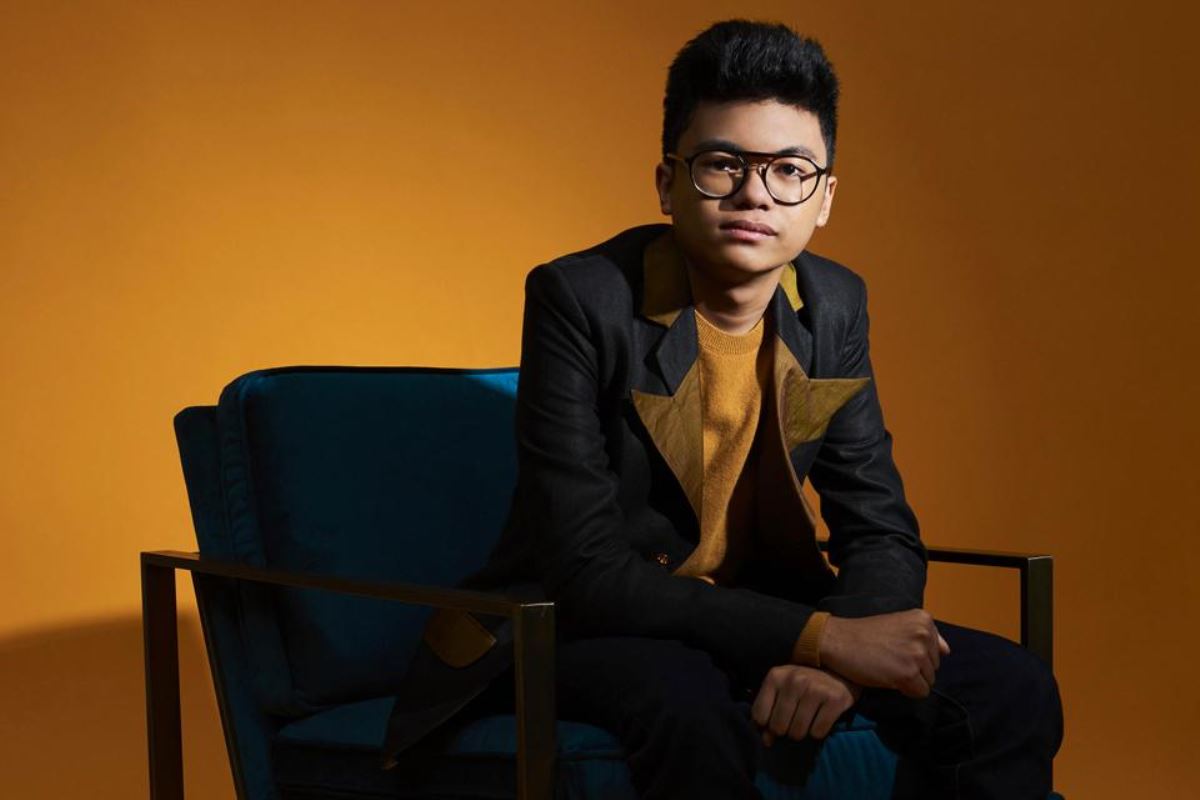
Pianist Joey Alexander
In 2018, I heard jazz pianist Joey Alexander live for the first time. He made history, opening the 2018-2019 Paradise Jazz Series at age fifteen. I recall him fascinating the series regulars with his journeyman piano command and ability to make his sidemen appear bigger than life. Since then, he has put out nine albums and performed regularly as a featured soloist with Jazz at Lincoln Center Orchestra. Now he's twenty-one, leading a highly touted jazz trio with drummer Johnathan Barber and bassist Kris Funn. On Friday night, they played the Blue Llama in Ann Arbor, MI, presenting mainly songs from Alexander's new album, "Continuance." It was an hour of expertly executed jazz. The trio members were evenly yoked and effortlessly roamed each other's musical psyches. They started the second set with "Remembrance" and soon after won over the capacity crowd with a reupholstered version of "My Favorite Things." Here, Alexander showed off his pristine and multi-layered chops. Sometimes, the music was so moving and compelling that he played standing on his tiptoes, like Keith Jarrett, who often plays standing when the music moves him. I've noticed Alexander's influences aren't always obvious like other accomplished jazz pianists. For example, after hearing Jason Moran's solo, it's clear that pianist Jaki Byard influenced him. The same goes for pianist Cyrus Chestnut. Witnessing him running through chord changes, it's clear that pianist John Hicks was his north star. With Alexander, I was immediately drawn to how perfect his playing is, how comfortable he is with standards, and how adult his original songs are. He's also masterful at quickly drawing a crowd into his orbit. He has always had a strong command of the piano and, surprisingly, the stage. That was clear during his Blue Llama debut.

Monday, April 28, 2025

WHY DOESN'T THE CURRENT GENERATION OF DETROIT JAZZ MUSICIANS CARE TO DRESS UP?

Bassist Ron Carter

I attended the Ron Carter quartet concert at the Paradise Jazz Series in April. The first thing I noticed was how sharp they were in their matching black suits. Their appearance made me wonder why many young jazz musicians, particularly those from Detroit, never dress up like jazz musicians did back in the day. I thought about a question I asked the late jazz drummer and former Jazz Messenger, Ralph Peterson Jr., during an interview for my upcoming book, "Chasing the Note." Why band leaders like Art Blakey required their bandmates to dress up. According to Peterson, Blakey believed that before the musicians played a single note, the audience first saw their attire. Discerning audience members tend to make assumptions about the music based solely on the musicians' appearance. Many fans might believe such a claim to be silly. Blakey was right, though. If musicians look raggedy, it's likely their music will reflect that. What Blakey said has stuck with me. I’m embarrassed at how poorly dressed the current generation of Detroit jazz musicians is. Hoodies, jeans, and sneakers are acceptable attire. I question whether the colleges where young musicians learn the nuts and bolts of music theory, orchestration, and harmony emphasize proper stage etiquette. If so, it appears that too many of the young musicians who play at the Dirty Dog Jazz Café, Bert's Music Café, the Blue Llama, Cliff Bell's, Baker's Keyboard Lounge, and Aretha's Jazz Café skip those lectures on etiquette. How can jazz musicians perform at upscale clubs like the Dirty Dog and Blue Llama, which have a cover charge yet dress as if they were playing at a fraternity house? It's outright disrespectful to the audience. If you bring a date to either venue, you could drop $250.00 to hear one set. I once overheard the jazz pianist and educator Teddy Harris Jr. tell a young musician that the audience should never look better than the musicians whom they have paid good money to see. Harris added that the bandstand is sacred and must be treated as such.

I hesitated about writing this blog, knowing that it would offend many of the young players who, aside from their lack of attention to their appearance, are excellent musicians. I was also unsure if I would sound old-fashioned and superficial. At first, I decided to keep my observations and thoughts to myself. That changed at the Detroit Jazz Festival Press Conference. The band performing looked awful. One musician wore scuffed-up black and white Air Jordans. Another had on Crocs sandals, but at least they were new. The musicians' shabby appearance distracted from their music. My attention shifted from their clothes to the music, never thoroughly enjoying their original music. That's what Art Blakey was getting at when schooling Ralph Peterson. The musicians were hired to perform at a media event for one of the biggest jazz festivals in the world. Still, they didn't understand such an honor call for dressing up, given that the festival sponsors, city officials, and media personalities were in attendance. I later learned that the same musicians would represent Detroit and the DJF in an upcoming tour of Japan.

Musicians don't always have to wear suits and ties, but they should at least be well put together. The tenor saxophonist Donald Walden was stylish. No fan of his would deny that. I caught many of his local gigs. I don't recall him ever sporting a suit. Yet, his appearance was always impeccable. Decades ago, jazz musicians were written about in national magazines such as GQ and Esquire for their stylishness. Miles Davis, Duke Ellington, Roy Haynes, and Coleman Hawkins were fashion icons always on someone's best-dressed list. Non-musicians tried to mimic the style of jazz musicians. My mentor, who introduced me to jazz, once told me that when he proposed to his wife of 60 years, he wore a tailored suit like the one trumpeter Lee Morgan wore as a Jazz Messenger. Jazz musicians of the past possessed a certain dignity. Yes, they had struggles with addiction and other vices, but it meant something to be a jazz musician. How they talked, walked, and dressed spoke to that reality. It was easy to distinguish between jazz musicians and other musicians. You wouldn’t be wrong to mistake a jazz musician now for rock & roll or hip-hop musicians.

Last week, I saw the famous Great Day in Harlem photo. On a hot summer day in 1958, all the male musicians pictured were dressed like leading men. There are all sorts of jazz lore about how meticulous jazz musicians were about their clothes. For example, trumpeter Miles Davis said the great tenor saxophonist Dexter Gordon wouldn't allow musicians to hang around him if they weren't dressed right. In his autobiography, Miles wrote that Gordon told him he couldn't be seen with Miles until he got some vines (clothes). Trumpeter Rex Stewart noted in his book "Jazz Masters of the 30s," which documented some of the quirks of famous jazz musicians, that Duke Ellington was so fussy about his clothes that he wouldn't wear a suit coat if any of the buttons were slightly loose. The Jazz at Lincoln Center Orchestra’s appearance is always polished. Its leader, Wynton Marsalis, joked that if the music isn't happening, at least the band looks good.

Trumpeter Miles Davis

Closer to home, I recall the Detroit drummer Sean Dobbins telling me the pianist Claude Black chastised him about how he dressed. According to Dobbins, Black was embarrassed to be on stage with him and made him buy some suits. That's how seasoned jazz musicians used to tear into younger musicians for any breaches of etiquette. Somehow, that type of homegrown mentoring has stopped. I asked Dobbins once after his performance at the Dirty Dog why young guys don’t care how they look on stage. He said he could only require that musicians dress up in his band. Why does dressing well matter? Deep down, who gives a shit what jazz musicians perform in? Those are reasonable questions. Jazz musicians dressing up are part of tradition and acknowledge what Teddy Harris believed was sacred, the bandstand. I’m not sure if anyone cares about my observations, opinions, or agrees that the current generation of Detroit jazz musicians needs to be concerned about professionalism. Performing at a concert hall or popular jazz club in a hoodie, sneakers, and jeans is in bad taste. Here are a few suggestions: Club owners should establish a dress code for the performers. Universities could offer classes in grooming and professionalism. That would be a good starting point. Ron Carter informed his students at City College in New York, if they wanted to perform with him in the concert at the end of the semester, a blue suit and tie were mandatory. I left the Carter’s Paradise Jazz Series concert feeling good. At 88, he's still sharp musically, and his style is still impeccable. I wish more of Detroit's current jazz musicians had attended the concert to witness professionalism at its finest.

Wednesday, April 16, 2025

JAZZ PIANIST JASON MORAN PERFORMS A SPELLBINDING SOLO CONCERT AT THE GRETCHEN C. VALADE JAZZ CENTER


Pianist Jason Moran

If you attended the Detroit Jazz Festival press conference on Tuesday evening at the Gretchen C. Valade Jazz Center, stayed for Jason Moran's short concert, and two hours later left still doubting he is the most exciting jazz pianist of his generation, which includes Benny Green, Cyrus Chestnut, and Charles Craig, I would have to respectfully question your taste and sanity. Moran was there as the DJF’s 2025 Artist-in-Residence. Before Chris Collins, the festival’s president, announced the performers, Moran shared his thoughts on Detroit's rich music history, his love for the festival, and his mixed feelings of honor and fear about being the Artist-in-Residence. He then gave a spellbinding solo concert. I have been attending this jazz festival’s annual press conference for twenty years. Usually, the Artist-in-Residence plays three songs. He played six solo songs, starting with a medley of Duke Ellington tunes, followed by “Melancholia,” Geri Allen’s “Feed the Fire,” mixed with Moran’s “Retrograde.” His original “Barbershop” earned the first of three ovations. He played brilliantly, fiddling with the piano strings with one hand while the other raced across the keys like a child running after an ice cream truck. He made the piano echo the sounds of a bustling Manhattan street. This short concert was just a taste of what he will bring to the festival, starting with a must-see duet with techno music founder Jeff Mills and Detroit’s Poet Laureate Jessica Care Moore, a tribute to Duke Ellington, and a set with his long-time group Bandwagon featuring Meshell Ndegecello. The press conference was a showcase of his vast skills. Every Moran live concert or recording presents music that captivates, whether he is blending jazz with hip-hop, playing behind the backdrop of two women in a casual conversation, or someone scribbling on a notepad. His gift is convincing you that every sound can be music, setting him apart from other pianists. What is truly special about the jazz festival’s Artist-in-Residence position is the outreach programs at high schools and colleges. These programs allow music students to gain experience from a worldly musician like Moran.

Monday, April 14, 2025

SAXOPHONIST KENNY GARRETT'S MUSIC GETS A STAR TREATMENT AT THE DETROIT JAZZ PRESERVATION CONCERT SERIES


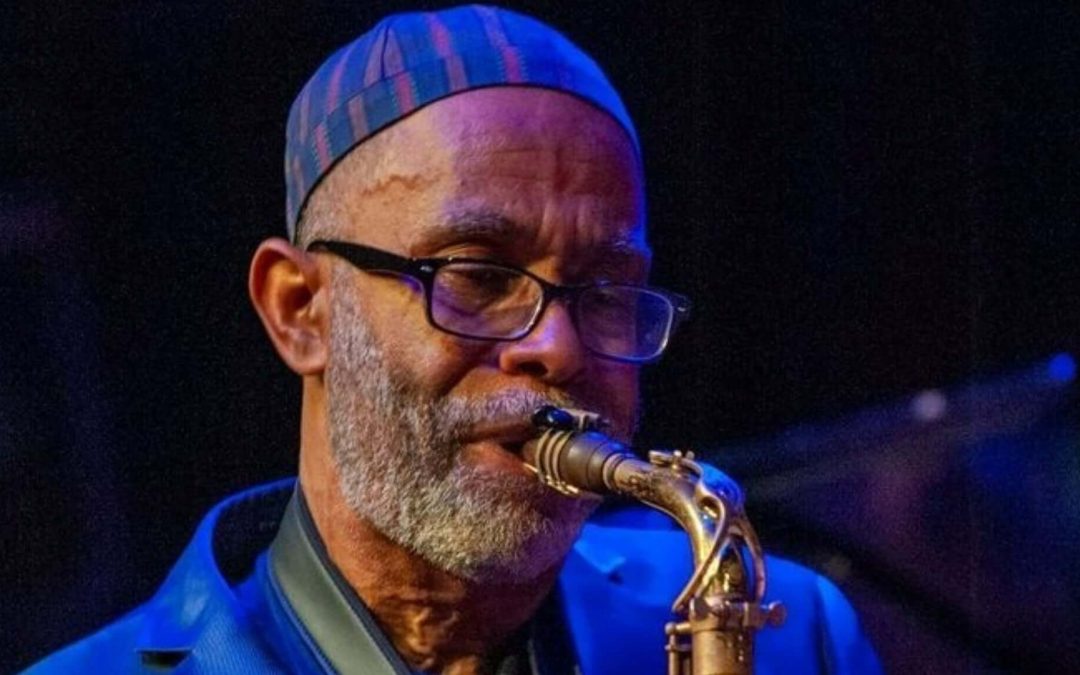
Saxophonist Kenny Garrett

Sunday afternoon, when trombonist Vincent Chandler, the founder of the Detroit Jazz Preservation Concert Series, told the crowd at Schaver Music Recital Hall that the concert celebrating saxophonist Kenny Garrett’s music was the second-to-last in the series this season, there was a collective sigh. Their disappointment showed how important the jazz series had become in just two short years. I bet most who showed up wished Chandler could find money to keep the series going year-round. No one knows if he will, but I pray that he does. Sunday’s nod to Garrett was another well-plotted set with a strong lineup of saxophonists Rafael Leafar and De’Sean Jones, drummer Sean Dobbins, bassist Josef Deas, and pianist Roger Jones II. I never knew Garrett was such an outstanding composer. Chandler was smart in choosing to steer the frontline with Leafar and Jones. During the early stage of Leafar’s career, he sounded like Garrett and even swayed back and forth during solos. Listening to Leafar blow up and down Sunday afternoon, I felt he had finally come into his own. Leafar and Jones had their horns honking, screaming, and squealing with such raw force that Chandler should have warned the crowd before the set started to protect their ears. Mine were burning midway through the set. Chandler enjoys scat singing when the spirit hits him. I am not a fan of scatting. However, he always manages to sound damn good. He started “Happy People,” which Garrett usually ends his concerts with, by scatting and drawing the crowd in, but was overshadowed when Jones and Leafar began trading measures. Garrett is all fire, and Jones and Leafar captured that side of his blowing well. Dobbins was the motor pushing the saxophonists to great improvisational depths. At the end of the set, Dobbins probably had to soak his drumsticks in Epson salt to reduce the swelling, given the workout he put them through. I wondered though why Chandler did not choose a heavy-handed piano player, as Garrett likes that type. Jones II is a sharp pianist with chops suited for a trio but never matched the bombs the saxophonists dropped. The sighs heard at the start of the set were replaced with applause as the band moved through Garrett’s “Wayne’s Thang,” “Wooden Steps,” and “Sing a Song of Song.” Give Chandler a pat on the back for giving Jones and Leafar the room to stick and jab. Of the concerts put on so far, this one should have been recorded for future nationwide release.