Thursday, January 28, 2010

HIGH SCHOOL SWINGERS

Dear Duke Ellington,

Last night, at the Main Arts Theatre in Royal Oak, MI. I attended a screening of Bruce Broder's documentary "Chops". Broder followed the Douglas Anderson High School of the Arts jazz band in Jacksonville, Florida as they prepared for the prestigious "Essentially Ellington" competition, which is held yearly at the Lincoln Center for the Performing Arts in New York, The jazz musicians at Douglas Anderson are something to behold. They were enthusiast and attentive, The students embodied a genuine respect for your musical legacy, and they were serious about mastering your music.

The students weren't cocky or undisciplined at all. They encouraged each other. They horsed around some, but when it was time to practice, they were all business. Their humility amazed me. They always felt they could play better. TJ-a trombone player and the most polished and talented of the bunch-said he practices religiously because he wants to be an exceptional musician not a mediocre one. That was the mindset of the youngsters as they learn your music.

Duke, Douglas Anderson had some stiff competition. Battle Ground High School and Garfield High School, two bands from Seattle were formidable. They'd competed at "Essential Ellington" before, and they appeared to be more confident. However, they were robotic and they couldn't improvise. Douglas Anderson had an edge. They were taught to infuse the music with their emotions, and they spent a lot of time learning how to swing thanks to Ron Carter, a Duke Ellington clinician from the Lincoln Center, The school hired Carter to teach the band the mechanics of swing. Carter broke down the basics of swing and fed it to each student like Halloween candy.

The day of the competition, Douglas Anderson was still not sure they could wipe out the competition. Duke, they did, and you would've been proud of them. They were the last band to perform. While the other bands played, they watched from the audience. The pressure was on. Douglas Anderson didn't buckle. They played your blues "Black & Tan Fantasy". It was a brave move to play a blues when. The other bands played your swing tunes. Here's the thing that floored the capacity audience and the judge, which include trumpeter Wynton Marsalis: midway through the blues Douglas Anderson through in a chunk of the ditty when the "Saints Go Marching In" The audience went ballistic. After their performance, the late 60 Minutes anchor Ed Bradley said Douglas Anderson who more polished, and had better solos. Bradley was certain they were going to win the competition. Duke, they won hands-down.

It's hard to make me cry, I don't cry at funerals, but when those kids from Douglas Anderson finished and the crowd cheered like they're at the Super Bowl I became unglued. Broder did a wonderful job chronicling how music and dedicated teachers who believe in their students can bring out the greatness in them.

Thanks for the music,
Charles

Wednesday, January 27, 2010

RISKY BUSINESS

The first time I listened to "For the Love of You", your new album, I didn't care for it., and I contemplated telling my reader's to stay away from it. Sunday, I decided to listen to it again thinking I may have rushed to judgment. I played it most of the day, and again Monday evening. Joe, I'm on the fence. You were brilliant throughout, particularly on "Bright Side Up". I thought you played two vibraphones simultaneously on "Cinema Paradise". You assembled a tight-knit band pianist Geoffrey Keezer, bassist George Mraz and drummer Clarence Penn. The album could've been magnificent with just the four of you. You took a big risk including Kenny Washington. It backfired. Proven bandleaders, which you are, like to take chances. That's admirable, but this time around, you should've been conservative. Gambling on a vocalist didn't work out. In the past, some critics compared Washington to Nat King Cole and Donny Hathaway. I couldn't detect their influence when Washington sang. He's an okay singer.However, comparing him to Cole and Hathaway is way off base. On the love songs "For the Love of You" and "The Shadow of Your Smile", for example, Washington was unconvincing. He didn't sound as if he felt the lyrics. Joe, midway through the recording, I wondered if you knew for sure the kind of album you wanted to make. I wondered if you plan to make a jazz vocal album, an easy-listening album, or a mixture of both. Anyway Washington wasn't a good fit. His style is more appropriate for a church choir. Last year, you test-drove the group at Dizzy's Club Coca-Cola in New York, and the concert was a big hit. Maybe live is the best situation to experience the group.

Sunday, January 17, 2010

GENE HARRIS DOES LONDON

In 2000, you were scheduled to perform at the Michigan Theater in Ann Arbor, MI. Back then, you're my all-time favorite pianist. You had two styles playing loud like a cannon, and soft like your fingers were stuffed with feathers. I spent a lot of time listening to your albums "Gene Harris at Maybeck", "Black and Blue", and "The Gene Harris Trio Plus One". I wore out three copies of the latter. So when I heard you're performing in Ann Arbor. I planned to skip work to attend the concert. The promoters canceled because you died. Of the jazz pianists I've listened to, I admired your music the most. You could make me dance one moment and cry the next.Last week, Resonance Records sent me "Another Night in London", a live album you made in Englandin 1996. The album is part of the Resonance Records Heirloom Series, which issues unreleased recordings by noted jazz musicians. Bassist Scott Lafaro album “Pieces of Jade” was the first album released. Your album was the second. Do you remember making it? You played with guitarist Jim Mullen, bassist AndrewCleyndert, and drummer Martin Drew. "Another Nights in London" is a terrific live date. It's lean. There're only six selections. Most are standards, but you give each a blues and gospel twist. On "Sweet Georgia Brown", you made the piano howl. On "Meditation", your gentle side took over. You played softly like the piano keys were silk. Listening to the album, I felt as if I were at the concert absolutely spellbound by what was happening on the bandstand.

Monday, January 11, 2010

PLAYING IT SAFE

After I listened to your new album, "Here in the Moment" I wondered why you chose to only performed standards. Your singing is comparable to the best jazz vocalists of our time. The great Nancy Wilson immediately comes to mind. However, you played it safe this time around. I wondered if your producers convinced you to sing only standards. Do jazz record label executives encourage vocalists to be conservative on their debut and sophomore albums. Maybe making an album of standards is a rite of passage for jazz vocalists. Maybe they don't feel legitimate until they've proven they can sing the classics. R&B and pop singers always search for new material, the hottest songwriters and hottest producers. Many jazz vocalists are afraid to take chances. Gail, it's time to put away those jazz golden oldies. On your third album, you should only perform new material. The album will be a big success because you have what it takes.

Friday, January 8, 2010

JAZZIN' AROUND

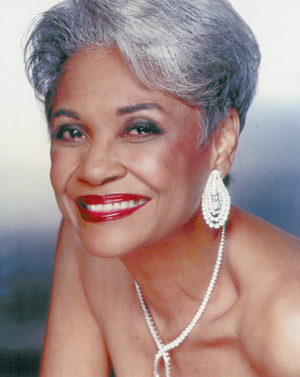
Jazz vocalist Nancy WilsonLutcher, I always look forward to talking to you at the Detroit International Jazz Festival. Over the years, we've had some lively discussions about Detroit jazz. We've always been on the same page concerning our musical taste and the Detroit jazz musicians we respect. We believed Nancy Wilson is the classiest jazz vocalist of all times.Four months have passed since the 2009 jazz fest. I've been trying to locate you. I didn't see you at the festival. That's unusual and was a cause for alarm. I asked some of your friends about your whereabouts.

I wondered if you were ill. Neither knew why you were absent. I asked Marcus Belgrave if you were sick. The trumpeter, who introduced us at the 2004 festival, didn't know. Man, I missed you. I'm writing this because I have been thinking about you lately. Monday, I was in my basement looking for biographer Barry Miles' book about poet and novelist Charles Bukowski. I've been on a Bukowski kick lately.

Off and on for a months, I've been reading Bukowski's collection of short stories "Hot Water Music" and "The Captain Is Out to Lunch and the Sailors Have Taken Over the Ship", a collection of essays. I forgot I had stuffed three aticles you'd given me Inside the Bukowski biography. You wrote the articles in late 90's. You profiled pianists Harold McKinney and Barry Harris. When we first met, I told you I wanted to read your work. I asked about your background. You shared bits and pieces of it.

You attended Wayne State University. Journalism was your major. You didn't say if you graduated. For years, you wrote a column called "Jazzin' Around Detroit". That was a hip name. I want to use it for the title of my first book. The late jazz vocalist Nellie Lutcher was your cousin. When we met, you're 65-year-old. You had some health problems. You didn't go into specifics. To correct the problems required surgery. To attend the jazz festival, you postponed the surgery. At first, I didn't believe you. Then I realized you're serious, and I thought you were nuts.

I told my mentor, who is a big jazz fan what you did. He understood why. He commented you're a real jazz man, and there are others jazz diehards of your generation who are equally extreme. Lutcher, I love jazz, too. If I needed surgery, I wouldn't put it off to attend a jazz concert. However, I respected your dedication. Lutcher, do you remember our first meeting? I do like it happened hours ago.

It was the year the great Nancy Wilson headlined the Detroit jazz Festival. We met backstage. You had on a jacket and necktie. Your press credentials were attached to the left lapel, and a camera dangled from your neck. When I saw you, I wondered why you wore a suit to an outdoor festival. You definitely stood out. I asked Belgrave about you. He said you were an important jazz journalist. For decades, you covered the Detroit jazz scene.

After we broke the ice, I asked if you had any clips of your articles. I wanted to read them. You had three clips on you. You gave them to me. The clips were worn with notes and telephone numbers scribbled on the back. We had something in common. We have our clips on hand. Weeks later, I read the articles. I like them immensely. Your style was non-judgmental. The jazz musicians that you wrote about seemed to trust you implicitly. We exchanged telephone numbers. Occasionally, I'd call to make sure you're okay and still writing regularly. Months after we met, I wrote an article about pianist Horace Silver. You expressed how much you enjoyed it. The compliment boosted my spirits. .

I'm worried about you. I wondered if you had died. losing you would be a devastating blow to the Detroit jazz community. There're only a few jazz journalists covering the Detroit scene. In my book, you're irreplaceable. Maybe it was a fluke you miss the festival. Maybe you had an ailing family member to care for. Maybe you just needed a break. Maybe you hit the lottery. And you purchase a small island. I can imagine you lounging on a beach, sipping an exotic drink listening to Charlie Parker, Sonny Rollins, Barry Harris, and Harold McKinney on your iPod. Five decades writing about jazz, you deserve a break. Lutcher, I'm going to stay optimistic that you're still jazzin' around Detroit.

Thursday, December 31, 2009

THE BIG TEN

Choosing my ten favorite jazz albums of 2009 was tough. Almost every jazz album I listened to last year was worthwhile. There were many deserving albums that didn't make my list such as Hank Jones' "Pleased to Meet You", Wynton Marsalis' "He and She", Pamela Rose's "Wild Women of Song", Chris Potter's "Ultrahang" and Norah Jones' "The Fall". I replay those recordings often, and they still make the hairs on my neck dance. Although they did not make my final cut, I want to congratulate those musicians. Each album was wonderful, and I said so when I reviewed them.

Making a best of list, I have a sense of what a baseball manager experiences when he has to make final cuts. It's a heartbreaking task. I bet a manager hates informing a prospect who worked hard during spring training he did not make the team. Of the many albums I listened to, choosing my ten favorite wasn’t easy. I managed to do it. If you haven't already experienced these albums, you should buy them immediately. You won't regret it. I guarantee that.

By the way, the Metrotimes, a weekly newspaper based in Detroit, Mi, published my list Wednesday in the music section of www.metrotimes.com. Without further ado, here are my ten jazz albums of 2009.

1) James Carter, Heaven on Earth (HalfNote Record): This is the third stellar live recording from saxophonist Carter. Organist John Medeski and the saxophonist are musical soul mates.

2) Dave Holland, Gonzalo Rubalcaba, Chris Potter and Eric Harland, The Monterey Quartet: Live at the 2007 Monterey Jazz Festival (Monterey Jazz Festival Record): The definitive all-star jazz quartet is captured live on this disc, and I've already ruined a pair of by best Sunday shoes because I couldn't stop dancing!

3) Gerald Wilson, Detroit (Mack Avenue Records): This accomplished big band leader and composer is 91 years old, but he still has the energy and enthusiasm of a young lion.

4) Jeff "Tain" Watts, Watts (Dark Key Music): I was once convinced that a jazz band couldn't swing without a piano player. Well, I was on my third serving of Wattsbefore I realized the piano player was absent!

5) Matt Wilson, That's Gonna Leave a Mark (Palmetto Records): True to its title, this album left me with many marks — emotional, psychological, all good — and drummer Wilson's thunderous rim shots are still ringing in my ears.

6) Kenn Cox and Donald Walden, Duet at Kerrytown (N/A): They were jazz royalty, and they bequeathed this gem-recorded to their fans in 1994, though it didn't see release until this year.

7) Scott Gwinnell Jazz Orchestra, Brush Fire (WSG Records): This is Gwinnell's first big-band offering. And such inspirations as Duke Ellington and Oliver Nelson would've probably loved this recording.

8) Eric Alexander, Revival of the Fittest (High Note Records): The tenor saxophonist consistently makes great albums, but the ballads on this year's terrific offering is enough to make your soul cry.

9) Dana Hall, Into the Light (Origin Records): The drummer has built a reputation as top-notch sideman, and his first album as a leader feels something like a coming-out party

10) Ryan Enderle, Triosphere (Self-released): The jazz bassist created a trio date here that's on par with jazz great Roy Haynes Trio's We Three.

Thursday, December 17, 2009

LEE-WAY

Tuesday night, Scott Gwinnell honored you. Are you familiar with his reputation? . Mr. Morgan, Gwinnell is the best jazz piano player in Michigan that I’ve listened to so far. That’s my opinion. I’m sure they’re others who concur. Let me tell you a little bit about him. He's a tall white fellow. He lives in Harper Woods, a small community near Detroit. We’re neighbors. He gigs mostly around Detroit. He supplements his income by giving piano lessons in his home. His peers only have good things to say about him. He's a self-less bandleader, and he writes amazing charts for the Scott Gwinnell Orchestra, which he formed ten years ago. The orchestra is outstanding. Gwinnell loaded it with some fine jazz musicians.

This summer, the orchestra headlined the 2009 Detroit International Jazz Festival. The capacity crowd cheered, and begged for an encore. The performance was a hit. It was the orchestra's first international exposure. They handled the pressure like pros. Gwinnell is also known for writing challenging charts. His album “Brush Fire” is his best work yet. That's some of Gwinnell's biography. Now, I'll tell you how Gwinnell honored you at the

Cadieux Café Tuesday night. The place was packed. Gwinnell scaled his orchestra down to a ten-piece ensemble. The ensemble played some of your obscure compositions such as "Our Man Higgins", "Totem Pole" and "Desert Moonlight". Trumpeters Paul Finkbeiner and Justin Walter solos were memorable. Neither trumpeter tried to copy your style. They played your music their way. Finkbeiner was the more seasoned. There're traces of trumpeters Freddie Hubbard and Woody Shaw's DNA in Finkbeiner solos.

Sax men Keith Kaminski, and Steve Woods were brilliant. Kaminiski arranged "Our Man Higgins", and he wrote the juiciest parts for himself and drummer Scott Kretzer. They passed musicalnotes back and forward like cheat sheets. Steve Woods amazed the crowd. Woods is an old school tenor player. His phrasing is conversational, and his tone is big as an economical recession. Gwinnell's ensemble had a blast playing his arrangements. Finkbeiner told me after the first set that playing in Gwinnell's ensemble is like bowling night for musicians.

Mr. Morgan, I set next to three white teenagers. During the intermission, I eavesdropped on their conversation. They were knowledgeable. They knew about your tenure with Art Blakey and the Jazz Messengers, They sounded scholarly discussing albums you made for Blue Note Records such as “The Sidewinder", ”Cornbread" and "Candy”. They recited facts about your career like a baseball fan reciting
his favorite players stats. The teens probably knew the color socks you wore when you first met Blue Note founder Alfred Lion. Most African-American teenagers probably never heard of you, which is shameful.

I wonder why others appreciate jazz geniuses such as you, and most blacks don’t. When I think about how blacks take black artists, writers, and musicians for granted I get upset. Years ago, a friend told me if weren't for hip whites black culture would've died along time ago. Maybe my friend was right. Most of the critics, historians, and scholars who write about black culture are white. Many of my friends who love jazz are white. To them jazz is just as essential as food, clothing, and shelter. Mr. Morgan that's enough preaching. I'll finish telling your about the performance.

Gwinnell didn't solo much. Which was okay because the club doesn't have a piano. Gwinnell played a Casio keyboard. He introduced the compositions and the soloists. This year, I've experienced him as a bandleader and as a sideman. He never hogged the spotlight. Anyway, Gwinnell's ensemble handled your music like family heirlooms. He put the spotlight on his band-mates, and they didn't let him down.