 |
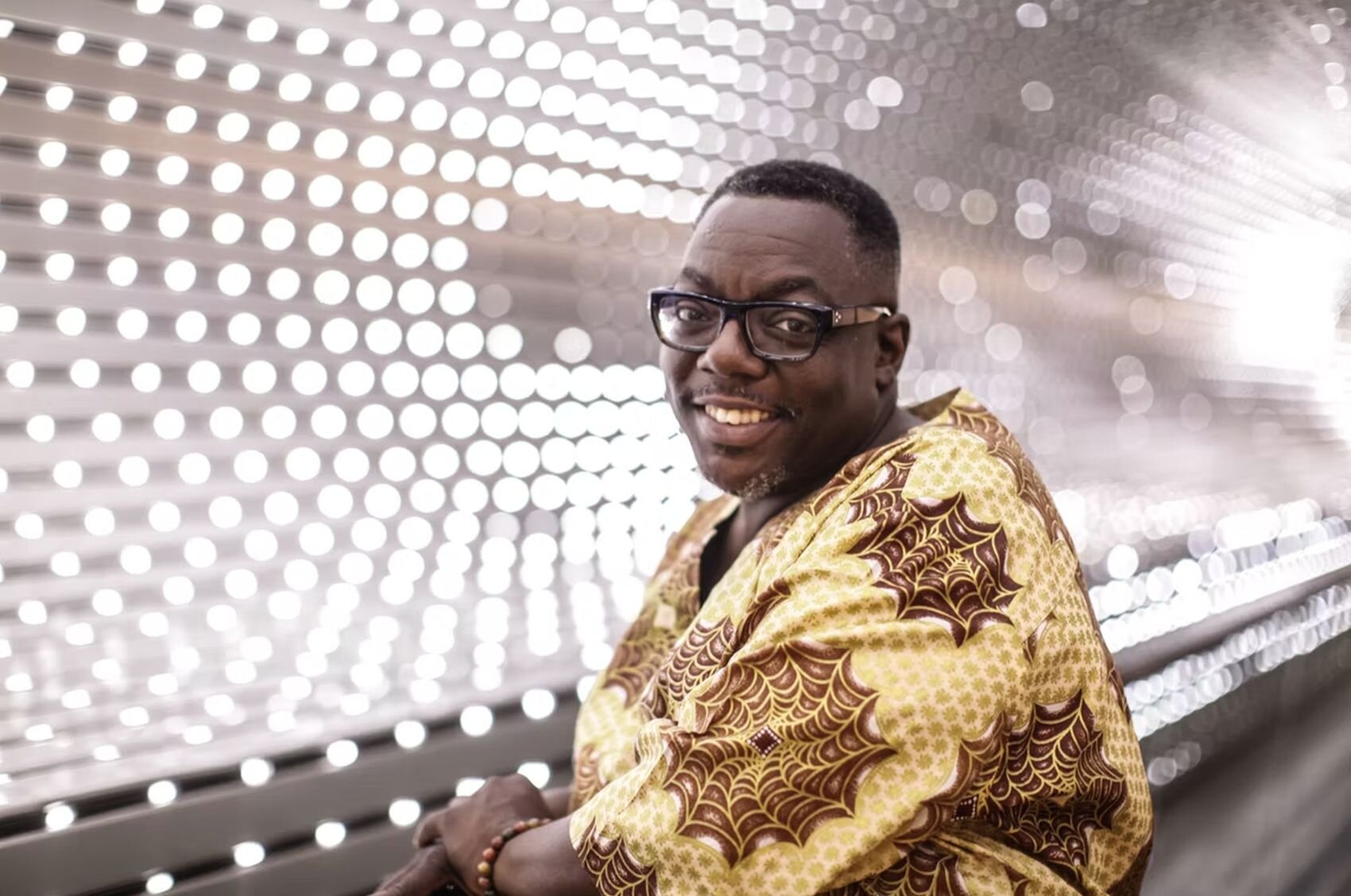
| Pianist Cyrus Chestnut |
Monday, October 26, 2026
WHEN JAZZ PIANIST CYRUS CHESTNUT TOUCHED THE KEYS, CLIFF BELL’S FELL SILENT


Thursday, October 22, 2026
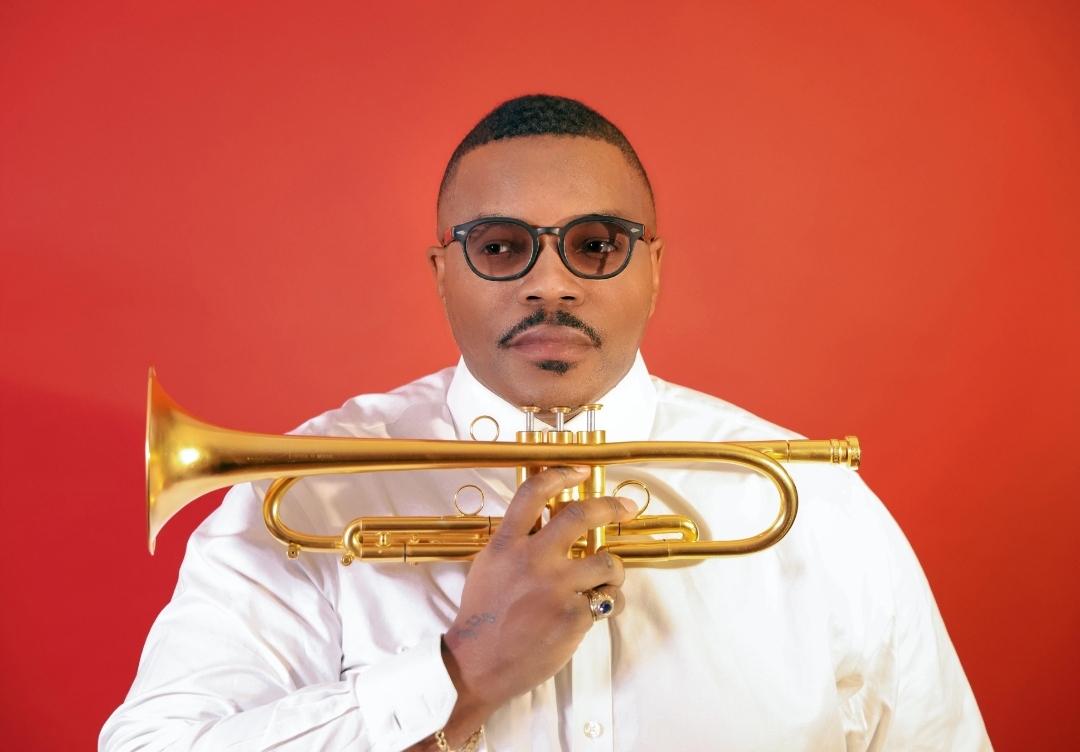
JAZZ TRUMPETER JEREMY PELT PERFORMS MUSIC FROM HIS SONGBOOK AT ARETHA JAZZ CAFÉ
 |
An
irrefutable case can be made that jazz trumpeter Jeremy Pelt is the most
polished and charismatic trumpeter of his generation — hell, perhaps of any
era. He swings with equal aplomb across every register of the horn, a skill he
demonstrated during his 90-minute Wednesday evening concert at the Aretha Jazz
Café in downtown Detroit. Pelt was in strong form, backed by his
swing-conscious band: bassist Leighton Harrell, vibraphonist Jalen Baker,
guitarist Misha Mendelenko, and drummer Dana Hawkins. Hawkins, subbing for
Pelt’s regular drummer, kept impeccable time, as if making a case for a
permanent spot in the drum chair. The band performed songs from Pelt’s
extensive discography, opening with two tracks from his 2025 album Woven. They
then swung below sea level on “Princess Charlie,” “Michelle,” and “Suspicion.”
Pelt played beautifully on each tune, but Baker’s playing stood out most. His
command of the vibraphone recalls the late Bobby Hutcherson. Baker’s
colorful, muscular lines also recall Stefon Harris in his early,
reputation-building years. Pelt’s band is attractive because he
gives his bandmates freedom. Mendelenko, a former student of Pelt, used that freedom.
His cool demeanor and meticulous execution of each note place him in the lineage
of greats such as Pat Martino. Although Pelt generously showcased his
bandmates, he claimed the spotlight during a ballad medley featuring “Time for
Love,” “I Will Never Stop Loving You,” and “Who Can I Turn To.” On each, Pelt
played with such warmth that the trumpet seemed to melt in his hands. It was a
moment of pure virtuosity, offered for the capacity café to savor.
Wednesday, September 30, 2026
ALTO SAXOPHONIST DONALD HARRISON BRINGS NOUVEAU SWING TO THE ARETHA JAZZ CAFE
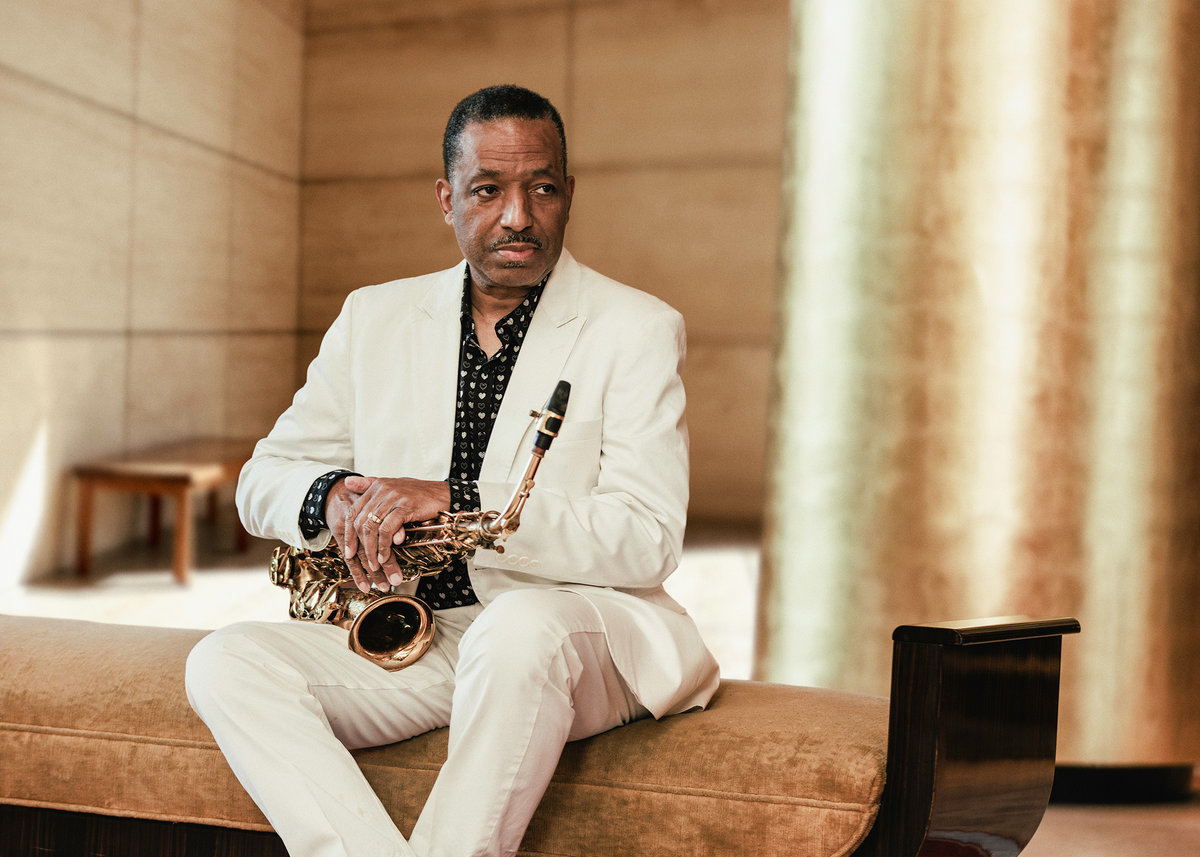 |
Tuesday evening at the Aretha Jazz Café in downtown Detroit, alto saxophonist Donald “Big Chief” Harrison delivered the best jazz concert I have seen this year. Despite limited promotion, the café was packed as Harrison and his band, pianist Dan Kaufman, bassist Nori Naraoka, and drummer Rehaan Rouege, served up two hours of Nouveau Swing, Harrison’s mix of jazz, funk, and hip-hop built on a recognizable New Orleans swing foundation. Harrison created this eclectic musical style over two decades ago, and much to his surprise, it has become a global hit. The New Orleans native has recently overcome health issues, but on Tuesday night, his chops were in pristine shape. The band opened with Harrison’s original composition “Free to Be,” immediately setting the swing level the capacity crowd could expect for the entire set. From there, the musicians moved through jazz spanning the 1920s, ’30s, ’40s, and ’50s before offering a mini tribute to Miles Davis, John Coltrane, and Sonny Rollins. After burning through “Trail of Fire,” “One for Bird,” “Bye Bye Blackbird,” and “Impressions,” Harrison called cuts from the band’s new date, “Magic Touch,” which explores ten variations of a single composition. At the Aretha, the band offered stripped-down takes inspired by second line, salsa, soul, and Motown music. Two centerpieces of the band were Kaufman and 19-year-old drummer Rouege, who already possesses a veteran jazz drummer’s command of his instrument. He is the latest young talent to emerge from one of Harrison’s bands, which over the decades have included musicians such as Sullivan Fortner, Christian Scott, Esperanza Spalding, and Robert Glasper. Rouege’s rimshots and ride-cymbal work were meticulous. His rhythm-section partner, Kaufman, proved solo after solo that he is everything a bandleader could hope for in a jazz pianist, cutting straight to the marrow of a tune while pushing his bandmates beyond their comfort zones without ever becoming overbearing. Harrison, meanwhile, blew with murderous intent, wolfing down the changes on the grown-folks-tempo numbers the band performed, like a starving man a hot meal. He is a complete saxophonist, equally at home in every area of jazz while remaining fluent in other musical genres. At heart, Harrison is a musical unifier, and that quality shone at the Aretha. He can be over the top, but never to the point of being excessive or distracting. Instead, his stylistic range gave the evening much of its verve. What made the two-hour concert the best I have seen so far this year was the feeling that I had witnessed three concerts in one. It was at once a jazz performance, a tour through musical history, and a celebration of New Orleans’ music. Near the end of the evening, Harrison invited drummer Ali Jackson to sit in. Jackson played the tambourine on Frankie Beverly’s “Before I Let Go” and stayed for two original New Orleans numbers that closed the concert.
Sunday, September 20, 2026
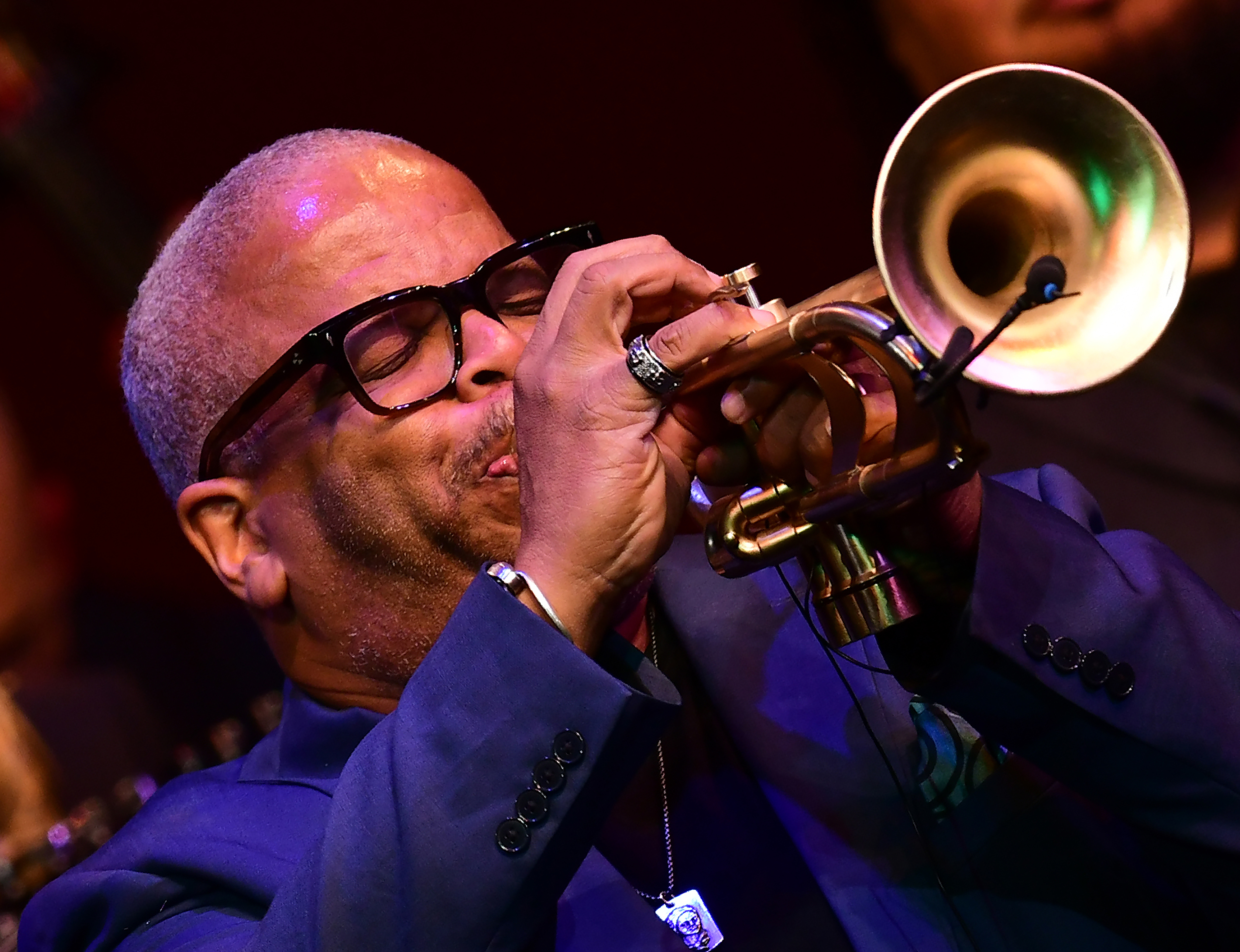
TRUMPETER TERENCE BLANCHARD OPENS THE 2026-2027 PARADISE JAZZ SERIES WITH A DISAPPOINTING TRIBUTE TO MILES DAVIS AND JOHN COLTRANE
 |
If
I could have asked the jazz trumpeter Terence Blanchard one question after the
opening concert of the 2026–2027 Paradise Jazz Series—a tribute to Miles Davis
and John Coltrane—it would be this: How do you honor Coltrane without
performing any of his music? During Friday's 90-minute concert at Detroit's
Orchestra Hall, Blanchard played none of Coltrane's signature compositions. It
was the second time I had seen his Davis-Coltrane tribute. The first, in
February at Hill Auditorium in Ann Arbor, even featured Coltrane's son Ravi on
saxophone, but it also omitted Coltrane's music. At neither concert did
Blanchard discuss the two musicians' influence on jazz. In Detroit, Blanchard led
drummer Oscar Seaton Jr., guitarists Charles Altura and Alex Smith, and pianist
Tom Oren, with Joshua Redman as guest saxophonist. The set drew heavily from Davis's
“Kind of Blue,” reimagining its songs
with a modern electronic sound. By opening with his own “Flow,” Blanchard
signaled he wouldn't approach Davis's classics conventionally—and that was
fine. After the band tore through the piece, Redman joined them and quickly became
the highlight of an otherwise disappointing tribute. His multilayered solos animated
“Flamenco Sketches,” “All of Us,” “Teo,” “All Blues,” and “Someday My Prince
Will Come.” Because Coltrane helped immortalize many of these Davis compositions,
perhaps Blanchard believed this was a way of honoring the legends without playing
any Coltrane originals. Redman, to his credit, never resorted to imitation.
Although the concert's premise felt misleading, Blanchard still produced
flashes of brilliance, soaring into the trumpet's upper register and at times aiming
the horn toward the stage and blowing with sandblasting force. Seaton, by
contrast, often sounded as though he were performing a separate concert; his drumming
was needlessly loud and ostentatious. Midway through the set, another question
emerged: If Blanchard intended to electrify Davis's hard-bop classics, why not perform
music from “Bitches Brew,” “In a Silent
Way, and “On the Corner?” By the end of the concert,
I was also wondering whether, despite his brilliance and achievements, Blanchard
was the right musician to lead a tribute to Davis and Coltrane. Redman's magnificent
playing offered some redemption, but the concert remained a colossal
disappointment. Blanchard owes listeners an explanation for leaving Coltrane's
music out of a tribute bearing his name.
Thursday, September 10, 2026
NOTEWORTHY PERFORMANCES FROM THE 47TH ANNUAL DETROIT JAZZ FESTIVAL
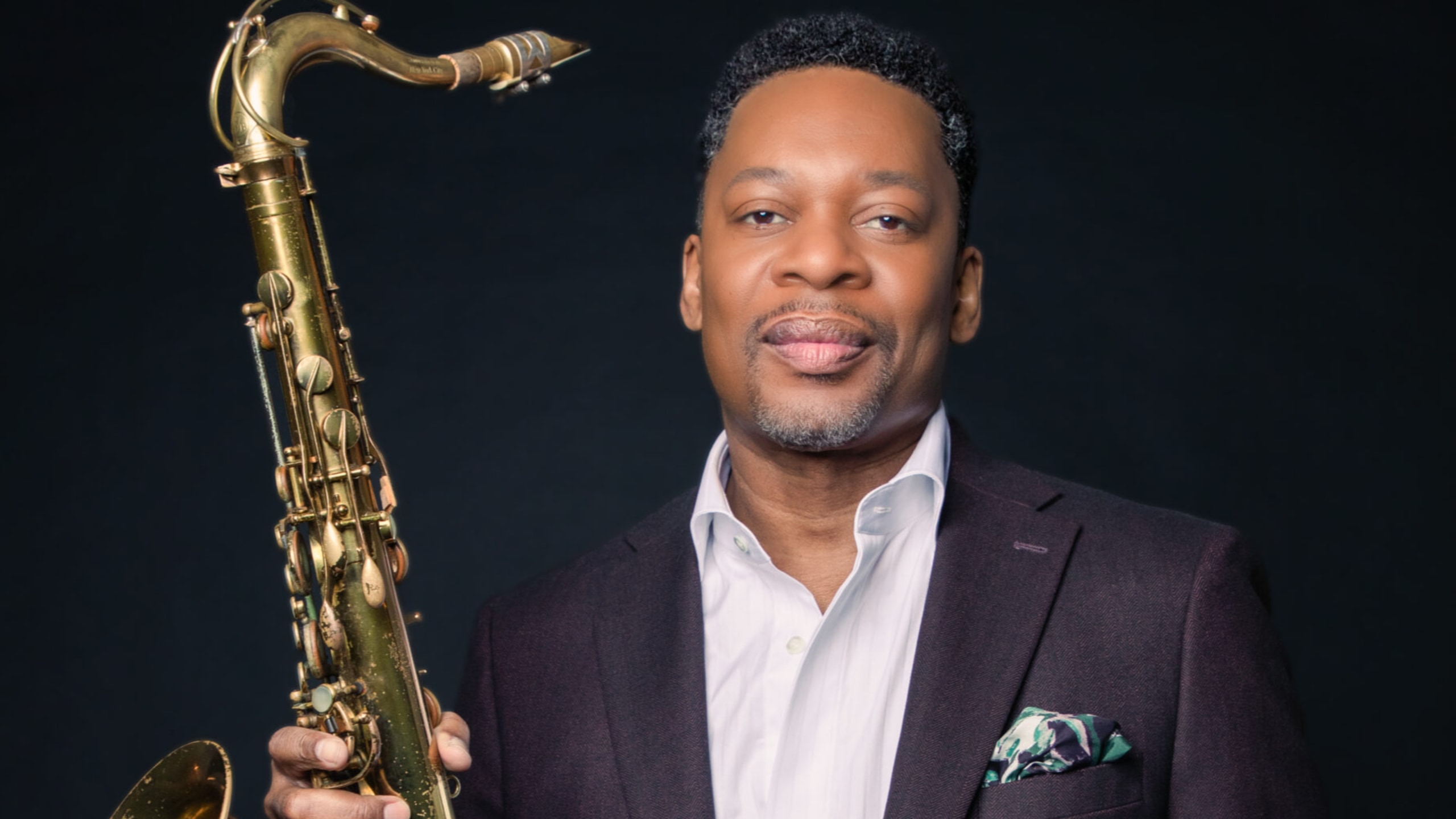
Ravi Coltrane Quartet Centennial Celebration (Carhartt Amphitheater Stage)
In
2009, when I profiled saxophonist Ravi Coltrane for the Metro Times, I asked
why he had not performed his father John Coltrane’s music. At the time, he was
determined to build his own name rather than ride his father’s coattails, and
he told me the best way to honor that legacy was not to recreate it. Since
then, recordings including “Spirit Fiction,” “Moving Pictures,” and “In Flux”
have established him as a force. During this hour-plus set at the 47th
Annual Detroit Jazz Festival, he sounded fully at ease playing his father’s
repertoire. My favorite moments of the set were the opening “Acknowledgment”
and “Resolution,” movements from the landmark album “A Love Supreme.” On “Equinox”
and “Expression,” Coltrane played with more daring and aggression than I had
ever heard from him live. His solo on “Naima” sounded as if his father’s spirit
was beside him, whispering in his ear what notes and changes to play.
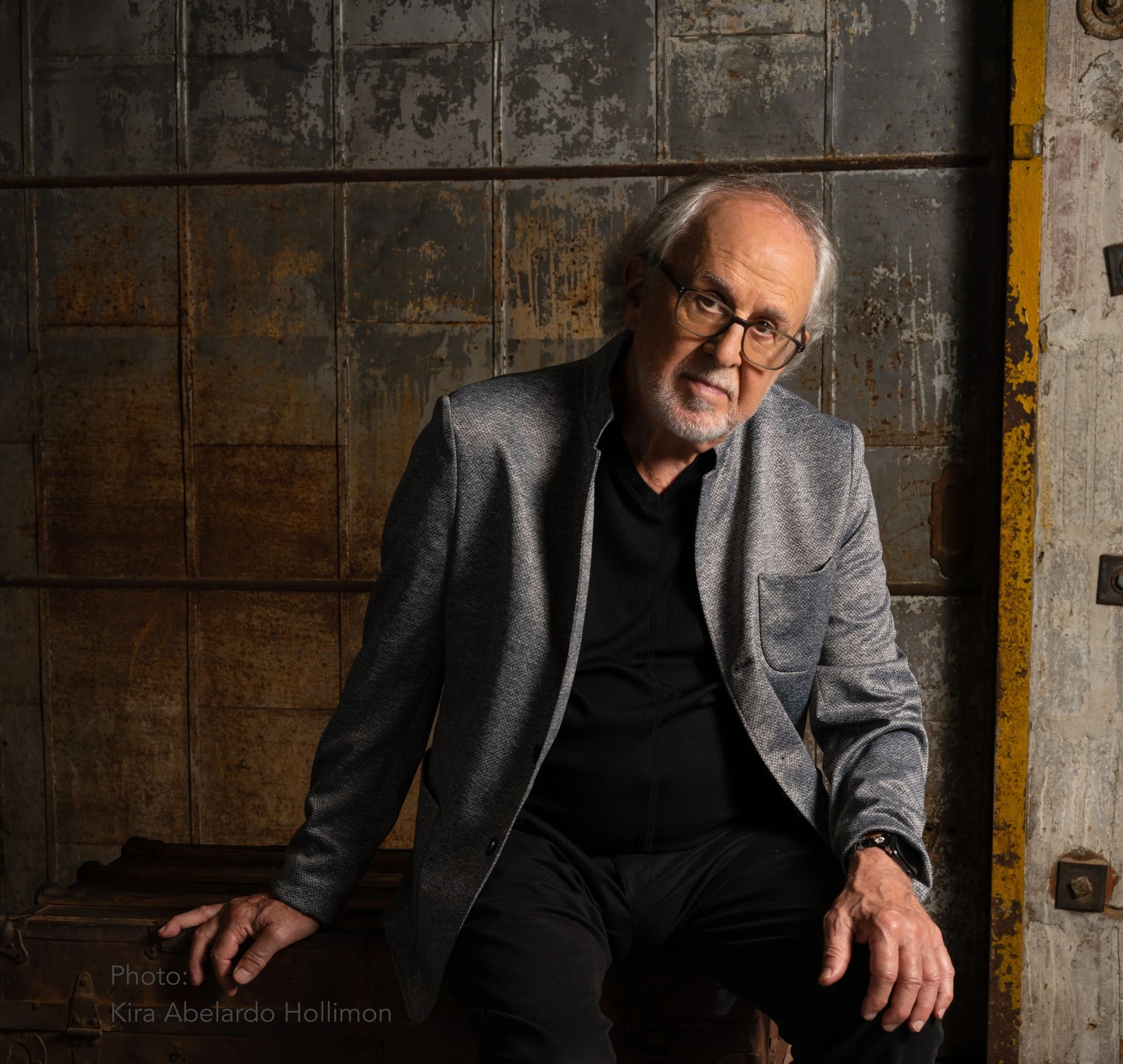
Bob James (JPMorgan Chase Stage)
Pianist
Bob James has long blended post-bop and smooth-jazz elements with unusual
fluency, and on Saturday evening he delivered a rousing hour-long set. It was
my second-favorite performance of the festival—a surprise because smooth jazz
has never been my preference. James won me over through the elegance of his phrasing,
especially on Roberta Flack’s classic “Feel Like Makin’ Love.” He was in top
form, but Ukrainian saxophonist Andrey Chumut often became the center of
attention, moving from a sweet tone on his original “Moving Forward” to a more
commanding attack on James’s “The Music of Freedom.” By the middle of the set,
he had the capacity audience in his hands.
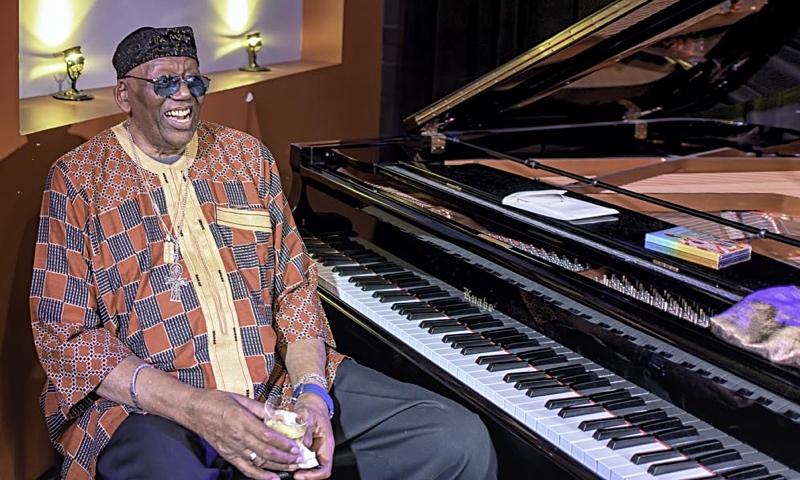
African Rhythms Alumni Quintet: Celebrating the Centennial of Dr. Randy Weston (Carhartt Amphitheater Stage)
Jazz
pianist Randy Weston would have turned 100 this year, and several former
bandmates—including alto saxophonist TK Blue, pianist Sharp Radway,
percussionist Chief Baba Neil Clark, trombonist Ku-umba Frank Lacy, and bassist
Alex Blake—honored him with the festival’s most thoughtfully conceived tribute.
The quintet opened with Weston’s classic “Hi-Fly,” then remodeled his signature
works “Anu Anu,” “The Gathering,” and “Portrait of Patsy J.” Rather than merely
reproducing his arrangements, the musicians channeled his expansive rhythmic
language, with longtime collaborator Blake adding especially vivid color on
bass.
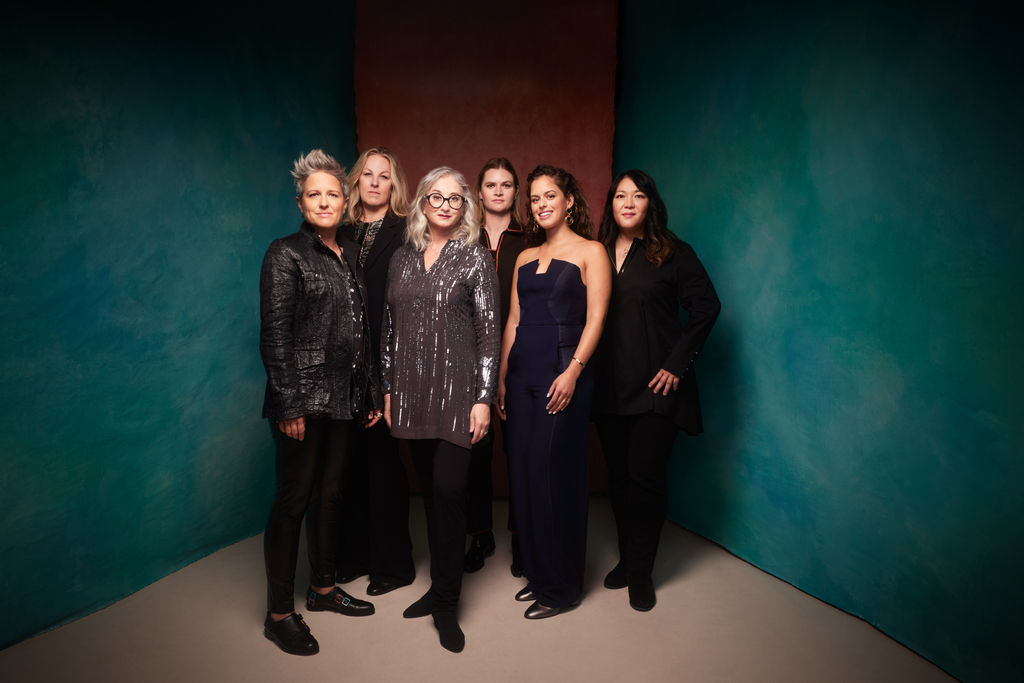
Artemis (Waterfront Stage)
Artemis had made a persuasive case for being one of jazz’s finest ensembles. Pianist Renee
Rosnes, drummer Allison Miller, bassist Noriko Ueda, trumpeter Ingrid Jensen,
and saxophonist Nicole Glover offered a master class in collective virtuosity.
Their set leaned heavily on standards including “What the World Needs Now is
Love Sweet Love,” “Hackensack,” and “Flamenco Sketches,” but the original
“Sight Unseen” revealed the group at its most distinctive. The musicians
listened and responded with such precision that even familiar standards seemed
fresh off the assembly line, each player in lockstep with the others without
sacrificing an individual voice.

Ron Carter Foursight Quartet (Waterfront Stage)
Ron
Carter’s set was not billed as a tribute to his former boss, trumpeter Miles
Davis; however, its emphasis on Davis-associated compositions made it feel like
an unofficial centennial celebration. Carter is known for threading tunes
together until the compositions take on the shape of a carefully built suite,
and his quartet sustained that continuity with remarkable ease. Pianist Renee
Rosnes, drummer Payton Crossley, and tenor saxophonist Jimmy Greene swung with
seemingly inexhaustible energy, while Carter anchored every transition with his
polished tone. At 89, he remains a commanding bassist, and this was post-bop at
its finest.
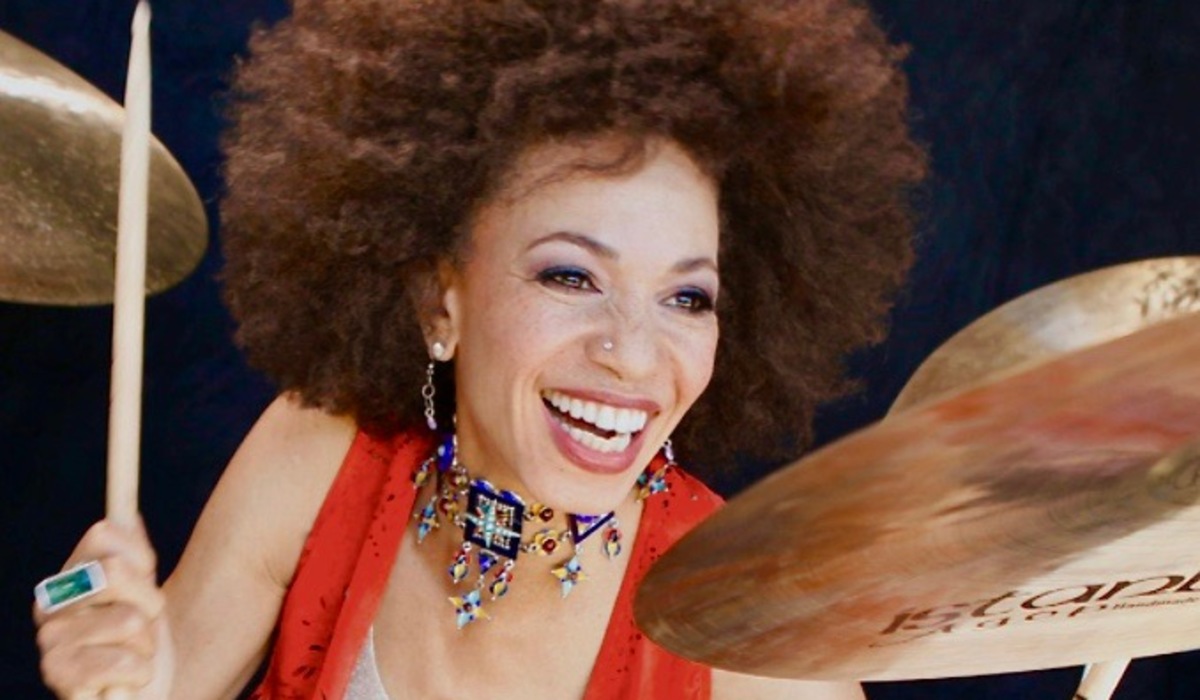
Cindy Blackman Santana (Carhartt Amphitheater Stage)
Cindy
Blackman delivered the festival’s funkiest set. Few drummers I have encountered
in my years as a music journalist match her combination of power and control. She
sucks you in and releases you when she is damn good and ready. Her saxophonist was
equally captivating. The set moved furthest toward the jazz tradition when Blackman
surprised the crowd with a revamped take on Miles Davis’s “Blue in Green.”
Wednesday, July 22, 2026
VOCALIST CARMEN LUNDY AND SAXOPHONIST GARY BARTZ DELIVER NEAR-FLAWLESS SETS AT THE CONCERT OF COLORS
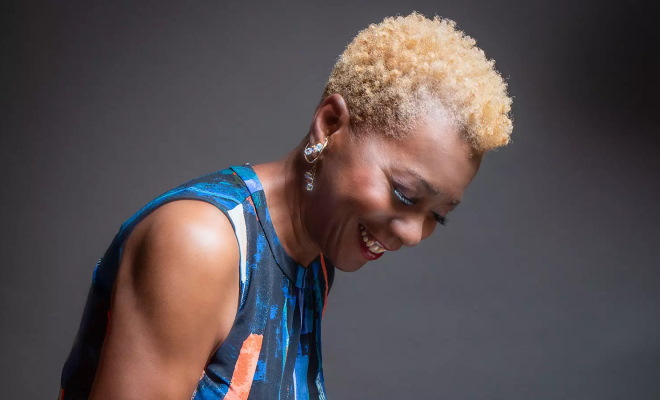 |
| Carmen Lundy |
At
the 2026 Concert of Colors at the Detroit Institute of Arts on Sunday evening,
jazz vocalist Carmen Lundy proved the widely held belief that the human voice
is an instrument. I first heard that years ago from the renowned Detroit jazz
radio host Ed Love, and it has stayed with me. I hadn’t experienced it
firsthand until Lundy’s performance that Sunday. Her ability to make her voice
sound like an instrument sets her apart from her peers. Her stage presence is
equally engaging. Lundy never spends her set reinterpreting jazz standards;
instead, she draws from her discography. Sunday, she started with “Blue Woman,”
then seamlessly moved into “Lonesome Blue Butterfly” and “Lone Journey Home,”
composed by her brother, bassist Curtis Lundy. When she ended “Old Friends,” I
bet most attendees had tears in their eyes. She clearly embodies
near-superhuman powers, able to evoke and manipulate every emotion imaginable.
But the true joy isn’t always in hearing her sing from the far reaches of her
soul; it’s in watching how she inspires her bandmates. For this concert, her
band included her brother Curtis, guitarist Andrew Renfroe, drummer Terron
Gully, and the rising pianist Sequoia "Redwood" Snyder. Her touch and
temperament at the piano resemble those of the late Geri Allen, and Snyder was
unquestionably Lundy’s favorite band member, brimming with pride as Snyder
played with grace, color, and self-assurance. Man, the young lady can swing
when encouraged. At a young age, she understands the mechanics of accompanying
a world-class vocalist. Although Lundy believes in sharing the spotlight, the
near-flawless set hinged on her voice—that wonderful instrument.
Before
saxophonist Gary Bartz blew the audience out of their seats at the DIA after
Carmen Lundy’s set, he told the audience that he and his band, bassist Ralphe
Armstrong, drummer Eric Kennedy, pianist Joe Block, and guitarist Paul
Bollenbeck, would perform the set without commercial interruptions. They
planned to swing and only come up for air if necessary. They never broke stride.
At 85, Bartz sounded even more robust and together than when he ran the streets
with Art Blakey, Charles Mingus, and Miles Davis. Bartz never revealed the
setlist, but the music, an amalgamation of bop, funk, R&B, and free jazz,
came off like one extended composition designed for the Concert of Colors.
Honestly, I only planned to stay for a few of the tunes in Bartz’s set. I was
there for Lundy, and she didn’t disappoint. Twenty minutes into Bartz’s set, I
couldn’t in good conscience leave such a marvelous improvisational swing fest.
It was the first time I had heard him live with his own band. I'm not sure if
this band is his regular touring band. I know Armstrong was a last-minute
replacement for Bartz’s regular bassist. Anyway, collectively they were tighter
than a size 10 foot in a size eight dress shoe. Their individual solos were as
satisfying as home cooking, especially those of Bollenbeck and Kennedy. He’s one
of those likable jazz drummers who never tries to be the center of attention.
His drumming is direct, and he is a stickler for time management. Each member
was a perfect complement to Bartz's worldly swing ethic.
Gary Bartz
Sunday, June 7, 2026
CHRISTIAN MCBRIDE AND URSA MAJOR CLOSE THE 2026 PARADISE JAZZ SERIES
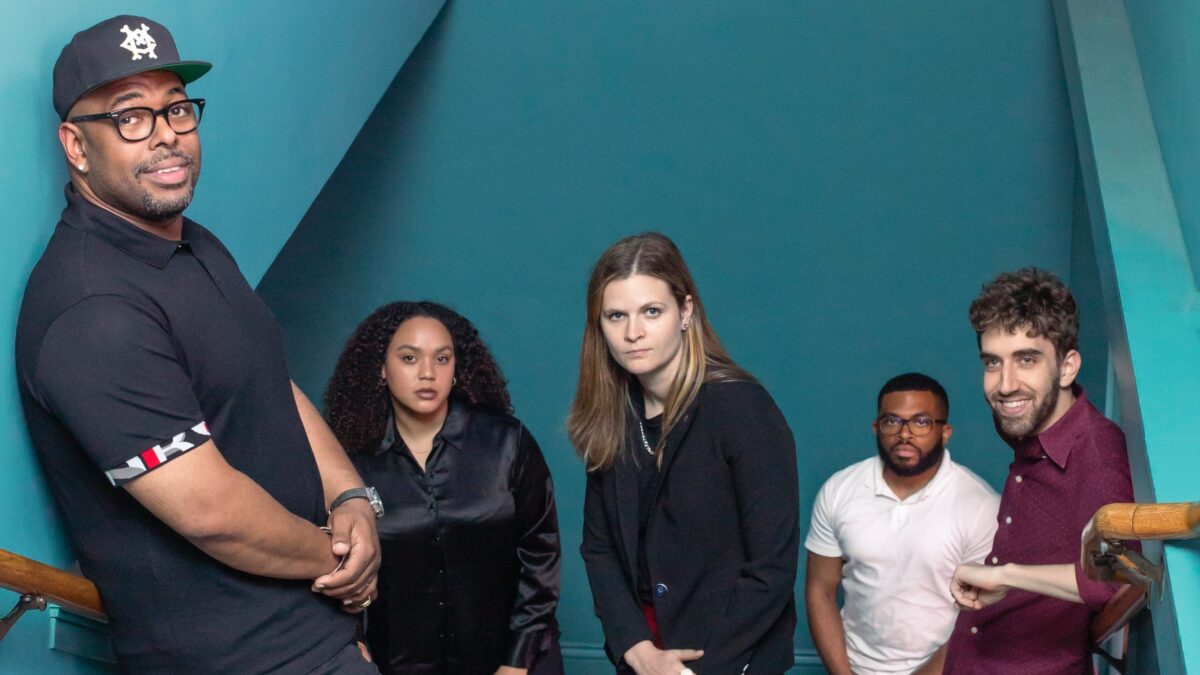 |
| Christian McBride and Ursa Major |
The
jazz bassist Christian McBride has a gift for spotting and developing young
jazz musicians. Much like Art Blakey with the Jazz Messengers, he has built
bands that serve as launching pads for emerging jazz musicians who go on to
become major bandleaders, often stars. Among those McBride has helped elevate
are drummer Ulysses Owens Jr., pianist Christian Sands, and vibraphonist Warren
Wolf. McBride’s current group, Ursa Major, features drummer Savannah Harris,
pianist Mike King, saxophonist Nicole Glover, and guitarist Ely Perlman. On Friday
night at Orchestra Hall in Midtown Detroit, the group closed the 2026 Paradise
Jazz Series in grand fashion. McBride describes Ursa Major as an all-in-one group
that incorporates elements of his other ensembles: New Jawn, Inside Straight,
and the Christian McBride Big Band. It is an ambitious concept, but the group
carried it off easily over a terrific, mostly swing-driven 90-minute set. Their
debut recording, “Point of Light,” is due out this summer, and McBride drew
much of the evening’s set list from that project, along with songs from his
earlier recordings. The band opened with an abstract original by Glover before
igniting a brushfire with the next, which Glover gobbled the changes like a
hungry man ripe fruit. Throughout the performance, she demonstrated that she
can blow lovingly and freewheelingly. The performance was filled with ravishing
highlights. I awoke this morning thinking about the exchange between King and
Harris on McBride’s “Black Mood.” Their interplay matched the energy and
intensity of pianist Joey Calderazzo and drummer Justin Faulkner during their
heated musical dialogues. Harris’s attack, rim shots, and cymbal work have a
strong kinship to Faulkner's style of drumming. There were times when the musicians
came up for air, playing slow-tempo numbers that were not as arresting as the
harder-swinging selections that immediately won the audience over. Although
McBride assembled Ursa Major largely so Harris, King, Perlman, and Glover could
swing and develop, he never languishes in the background. He reminded the
audience of his considerable virtuosity with death-defying bass work on Chick
Corea’s “La Fiesta.” Yes, he was showboating some, but the near-capacity
audience was totally invested. McBride has long favored forming new bands every
couple of years, and continuing to staff them with ambitious, swing-conscious
young musicians has proven a winning formula.
Sunday, May 24, 2026
DWIGHT ADAMS QUARTET OPENS WJZZ’S CONNOISSEUR CONCERT SERIES AT THE RADISSON-SOUTHFIELD
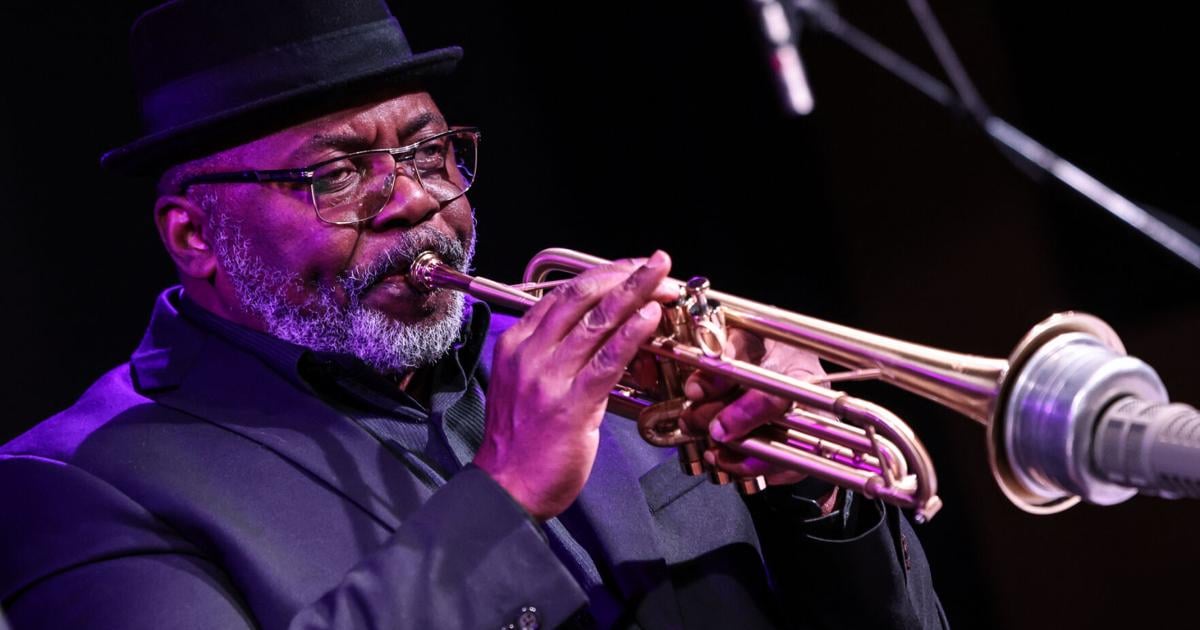 |
| Trumpeter Dwight Adams |
In
recent years, Detroit’s jazz scene has produced several praiseworthy concert
series. The most prominent has been the Detroit Jazz Preservation
Concert Series, founded by jazz educator and trombonist Vincent Chandler, which
has honored departed Detroit legends like Geri Allen, Donald Walden, Curtis
Fuller, Betty Carter, and Harold McKinney. This year, it expanded its reach to
include active swingers like saxophonists Kasan Belgrave and Marcus Elliot. The
series recently ended its third consecutive year of exceptional programming. DJPCS
set a high bar for any emerging new series. On Friday evening at the Radisson
in Southfield, MI, a new series, the WJZZ Connoisseur Concert Series, debuted.
Rodger Penzabene, Jr., president of WJZZ, started the jazz concert series and chose
trumpeter Dwight Adams’s Quartet for the opening concert. Adams, one of Detroit’s
most enduring jazz stars, delivered the best jazz concert I’ve attended this
year. Adams’s quartet—drummer Andre Wright, pianist Bob Mervak, and bassist
Jeff Pedraz—opened the 90-minute set with Horace Silver’s “Barbara” before
moving into Lee Morgan’s “Mr. Kenyatta.” By the end of the second selection,
the musicians were sweating like union laborers. To give them a breather, Adams
called the ballad “Angel Eyes,” which shifted the attention to Mervak’s vocals,
and he proved to be not only a versatile jazz pianist but also a fine singer.
Mervak’s voice was smooth as patent leather. After the ballad, the quartet
returned to its deep-swinging. Adams was clearly the star, though Pedraz and
Wright delivered goosebump-inducing solos the entire set. Wright’s chops are
akin to the late jazz drummer Pete La Roca in both decisiveness and taste. Like
La Roca, Wright understands a jazz drummer’s first job is to keep time, and he
managed that responsibility all night without the showboating common among other
jazz drummers. As for Adams’s trumpet playing, there is little left to say that
I haven’t already said over the decades I’ve known him. He is one of the last
jazz musicians of the 1990s with an instantly recognizable sound. Within a few
choruses in the upper register of his horn, any seasoned Detroit jazz listener
would know it’s Adams’s voice. After the concert, attorney and avid jazz devotee
Mark Brown told me that Adams is a complete soloist whose improvisations have a
clear beginning, middle, and end. Adams knows how to tell a story through his
solos. That was evident when he waltzed with the changes of “The Last Minute.”
Every moment of the concert qualified as a highlight, especially the arresting
guest appearance by flutist James Russell, who sat in for one tune. The quartet
also performed Adams’s original “The Last Minute,” repurposed Benny Golson’s “Blue
Walk,” and closed with Freddie Hubbard’s “Mr. Clean.” For the encore, Adams
once again cast the zoom lens on Mervak, who thrilled the full house with a
jazzy take of Erykah Badu’s “I’ll See You Next Lifetime.” The WJZZ Connoisseur
Concert Series clearly met the high standard set by the Detroit Jazz
Preservation Concert Series, and Adams raised expectations even further for the
jazz bands Penzabene Jr. has lined up next. Also worth mentioning is that many
of the jazz fans who attend the DJPCS were in attendance. Unfortunately, Penzabene
Jr. announced the date of the next concert but did not reveal who the band is.
Monday, May 4, 2026
THE XAVIER DAVIS NEW YORK JAZZ QUARTET OPENS THE MIDTOWN JAZZ CRAWL AT THE DETROIT INSTITUTE OF ARTS.
 |
| Pianist Xavier Davis |
Sunday, April 26, 2026
JAZZ BASSIST NOAH JACKSON CELEBRATES THE RELEASE OF ‘FULL CIRCLE’ AT CLIFF BELL’S
 |
| Bassist Noah Jackson |
Monday, March 16, 2026
IMMANUEL WILKINS, GRAMMY-NOMINATED SAXOPHONIST, MAKES HIS BLUE LLAMA DEBUT
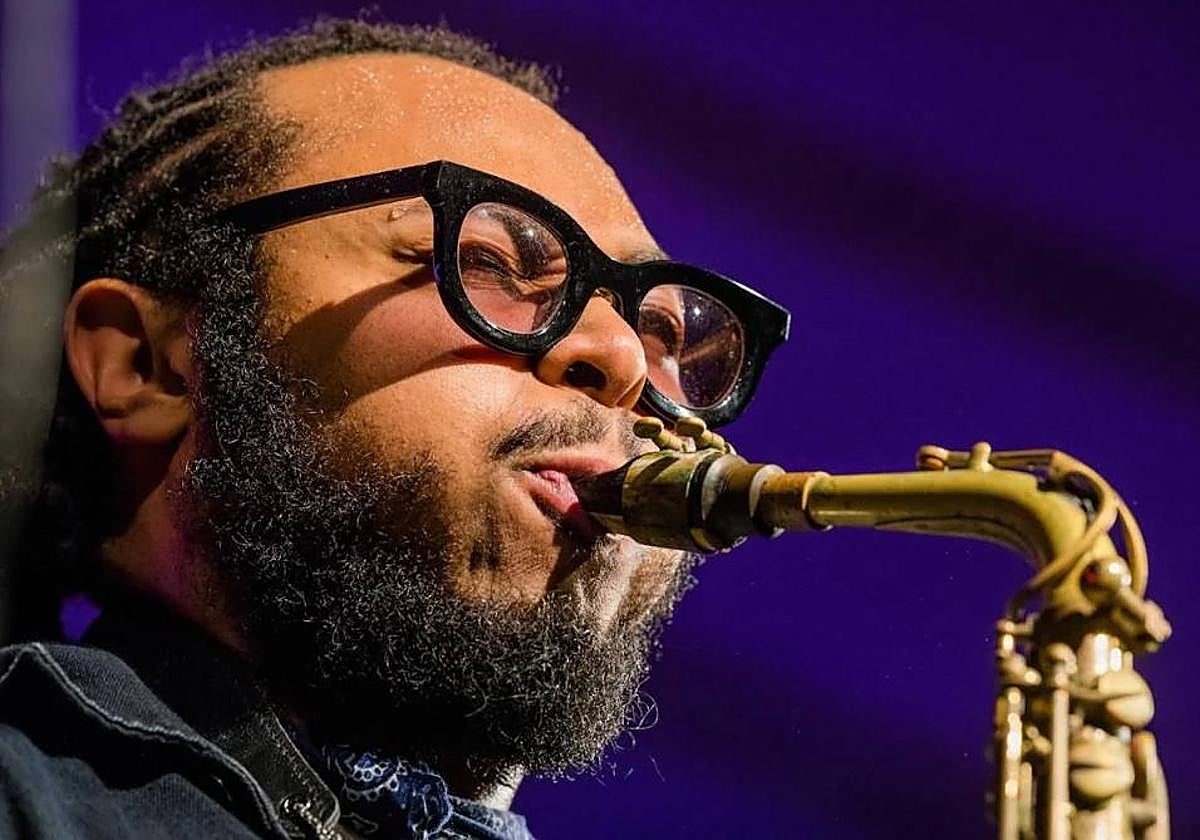 |
| Saxophonist Immanuel Wilkins |
It’s
such a pleasure to hear a young jazz musician whose influences are instantly recognizable
after he or she plays a note or two. That’s how I felt Saturday evening
listening to the alto saxophonist Immanuel Wilkins perform with his quartet at
the Blue Llama jazz club in downtown Ann Arbor, Michigan. A Juilliard graduate,
a Grammy-nominee, and a Blue Note artist, Wilkins performed at the Blue Llama
for the first time, and it didn’t take long for his quartet to win over the packed
club. The quartet is unflashy and woven tightly, featuring bassist Ryoma
Takkenaga, drummer Kweku Sumbry, and pianist Micah Thomas. From the opening number,
it was apparent that Wilkins had spent considerable man-hours dissecting the
licks and mechanics of saxophonists James Spaulding and James Carter. Wilkins embodies
Spaulding’s completeness and vast tone and Carter’s fearlessness and command of
every inch of the saxophone. Throughout the 90-minute set, the quartet
performed original compositions—though Wilkins never announced any title, which
was disappointing. But it was an easy flaw to forgive, given how inviting the
music presented was. He showcased his range with brisk, fast-tempo numbers,
slow grooves, and even an avant-garde-leaning number. The standout for me was a
ballad, which he approached with such warmth and tenderness that his saxophone
seemed to melt in his hand. What I admire most about his quartet is their sure-footedness.
They get to the point without taking any shortcuts. Wilkins is a fantastic
saxophonist who truly deserves all the press he’s received since hitting the
jazz scene. Yet, if there’s one noticeable weakness in his game, it’s his lack
of stagecraft—an area in need of immediate attention. Engaging the audience between
numbers and explaining the genesis of his compositions would be an excellent starting
point.
Monday, March 9, 2026
THE DETROIT JAZZ PRESERVATION CONCERT SERIES FINALLY CELEBRATES ITS FOUNDER, TROMBONIST VINCENT CHANDLER
After three years of outstanding
programming, Trombonist Vincent Chandler, the founder of the Detroit Jazz
Preservation Concert Series, finally took the stage himself with a concert celebrating his own music. The 90-minute concert featured nine of his
lesser-performed compositions, such as “Transformers,” “Hidden in Plain Sight,”
and “Praying Hands.” His compositions are multidimensional and demanding, and
you must be an exceptional musician to play them, his wife, opera vocalist
Kimwana Doner-Chandler, stressed, while introducing him. Unfortunately, he
decided against including some of his signature works like “The Beast,”
“Deciduous,” and “Embraceable,” gems that surely many attendees were hoping to
hear. He also didn’t invite any of his former Urban Transport bandmates, Sean Dobbins,
Dean Moore, and Josef Deas, musicians who were next to him when he built his chops
brick by brick, to join him. Chandler performed with his current group, which
includes saxophonist Kasan Belgrave, pianist Jordan Anderson, drummer Tariq
Gardner, bassist Michael Abbo, and guitarist Max Bowen. This group differs
significantly from many of the other straight-ahead acoustic bands Chandler has
traditionally led. This new ensemble leans strongly toward fusion and smooth
jazz. I tried to understand why, at this point in his career, he chose this
direction. Of all the bands I’ve seen him lead, this one resonates the least
with me, mainly because fusion and smooth jazz are so far removed from the
music that originally drew me to him. For the first time in the history of this
remarkable concert series, I left wondering if we would lose Chandler to these
weaker forms of jazz. I left the previous tribute concerts he organized feeling
inspired. Days passed before I could stop thinking about the performances. Over
the years, I have honestly and proudly written about his music and his
contribution to Detroit’s vibrant jazz culture. His monthly concert series has
been one of the brightest developments in Detroit’s jazz scene in a long time.
My discomfort with his new direction isn’t due to any shortcomings on his part
but stems from my own long-standing dislike of fusion and smooth jazz. That’s
not his fault. He’s been a hero of sorts to me, a musician whose work ethic and
the beauty of his playing reaffirm my commitment to acoustic jazz. Still,
that’s what made Sunday night’s performance seem so off-putting. The concert
opened with “The Professor,” and I quickly sensed something was different. His
trombone tone sounded processed, as if there were a sound
system issue. Only later did he tell the audience that he’d bought a new device
that expands the sonic possibilities of the instrument. The group moved through
“Reverie,” “Lion King,” and “The Journey,” the latter sung magnificently by
Chandler’s wife. “Reverie” embodied the complexity of compositions by McCoy
Tyner and Wayne Shorter. There were some standout moments from Bowen and
Belgrave. Especially, Belgrave, whose blowing demonstrated an old-soul strength
and intensity that far exceeded his age. Anderson is typically a rock-solid
pianist, but he reduced himself to a lot of unnecessary horseplay on the
electric keyboard. The concert wasn’t poor by any means, but it didn’t quite
feel like a tribute. Instead, it seemed as if Chandler was giving his
fascination with fusion and smooth jazz a test run. Here's the truth that I
struggle with often: I find it hard to watch jazz musicians I admire drift away
from the music that shaped their cultural identity. As a long-time fan of
Chandler’s music and cultural significance, I can only hope that his venture
into fusion and smooth jazz is short-lived.
Trombonist Vincent Chandler
Monday, February 16, 2026
TERENCE BLANCHARD AND RAVI COLTRANE CELEBRATE MILE DAVIS AND JOHN COLTRANE’S CENTENNIAL AT THE UNIVERSITY MUSICAL SOCIETY CONCERT SERIES
 |
| Terence Blanchard and Ravi Coltrane |
Sunday, February 8, 2026
THE JAZZ AT LINCOLN CENTER WITH WYNTON MARSALIS PERFORMS ‘DUKE IN AFRICA’ AT THE UNIVERSITY MUSICAL SOCIETY CONCERT SERIES
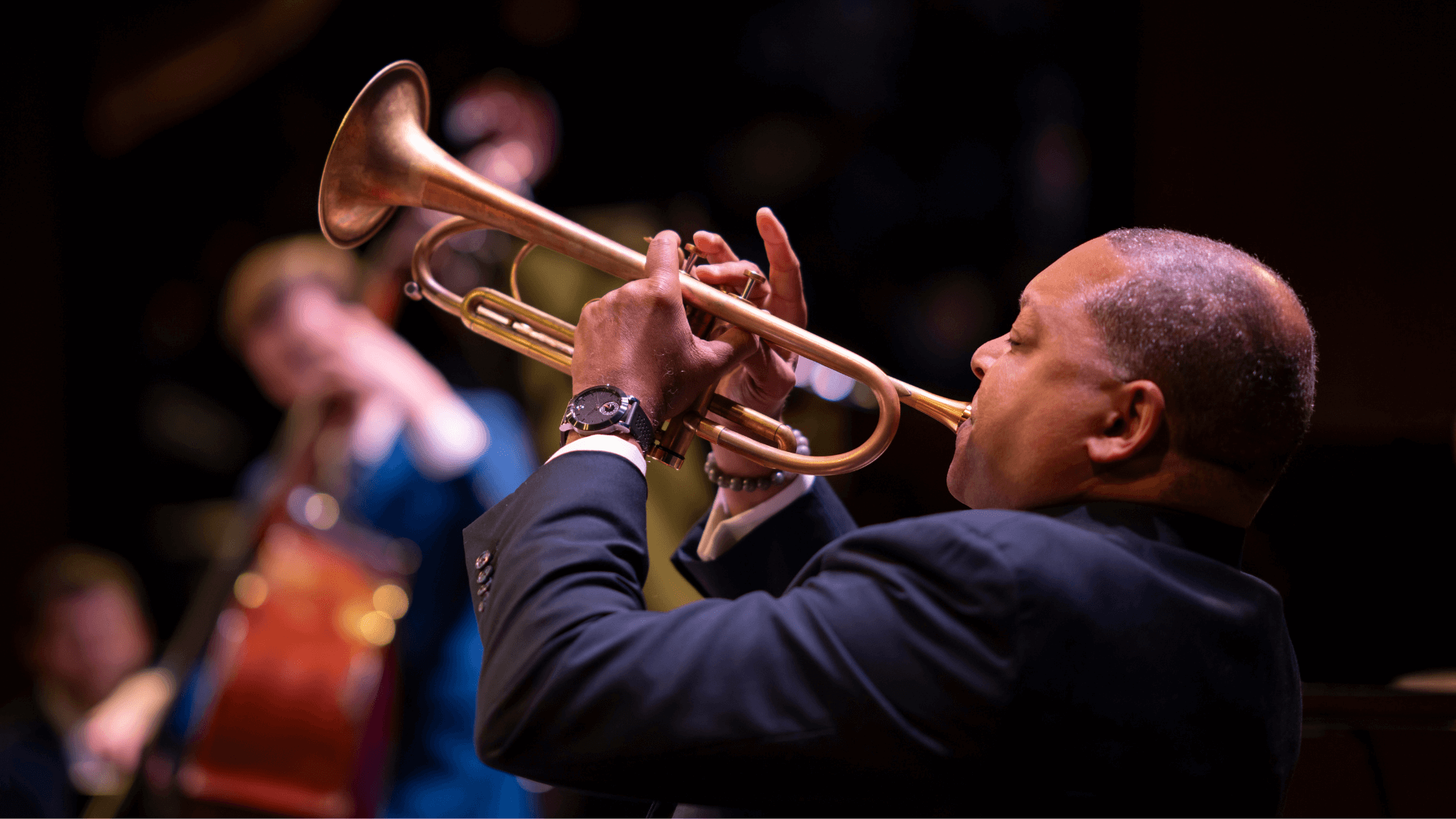 |
| Trumpeter Wynton Marsalis |
Monday, February 2, 2026
SAXOPHONIST MARCUS ELLIOT KILLS AT THE DETROIT JAZZ PRESERVATION CONCERT SERIES
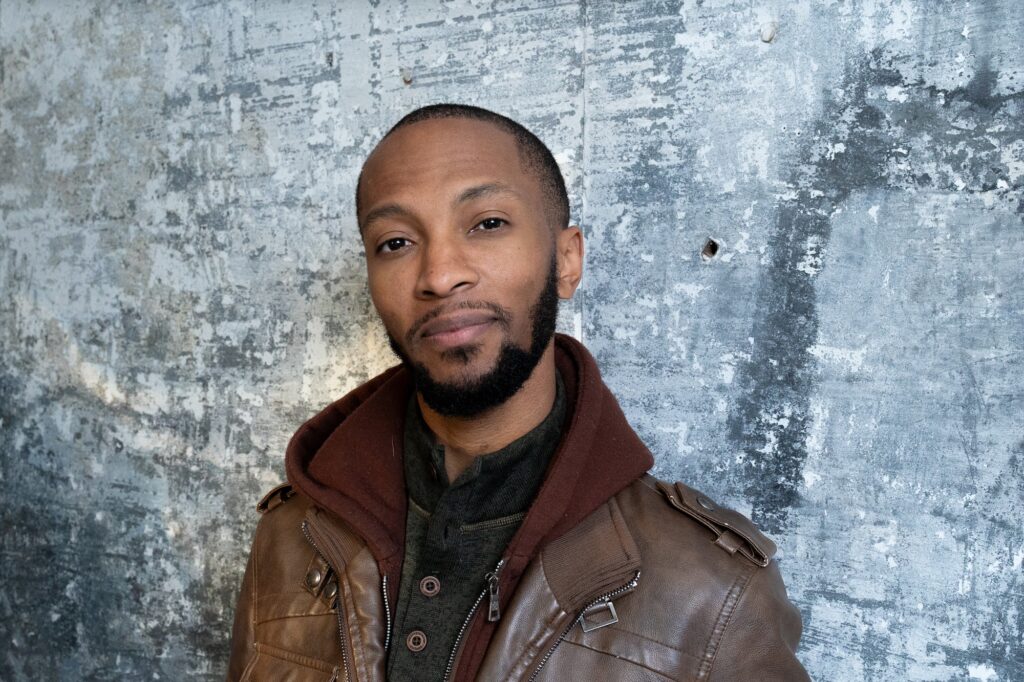 |
| Saxophonist Marcus Elliot |
I was surprised
when trombonist Vincent Chandler, founder of the Detroit Jazz Preservation
Concert Series, announced last month, following the tribute to the late pianist
Harold McKinney, that saxophonists Kasan Belgrave and Marcus Elliot would be
featured next. This decision was surprising, not because of any absence of genuine
talent, but because neither artist has yet developed an extensive body of work
as previous honorees in the series have. Chandler explained that Detroit's
young jazz musicians are producing great music and deserve recognition. On
Sunday evening, Elliot delivered one of DJPCS's best concerts, proving that Chandler's
move to spotlight younger composers was wise. Belgrave
and Elliot have graduated with high honors from the young lion stage of their
development. They are respected and popular members of Detroit’s jazz community.
Their respective performances have been DJPCS’s largest turnouts. Elliot’s quintet featured trumpeter Dwight Adams, pianist
Cormac Avila, bassist Noah Jackson, and drummer Caleb Robinson. They
opened with Elliot’s hot. “Hills of Pinar del Rio,” with Adams and Elliot
setting the tone for the elevated level of swing maintained all evening. Adams
swung with the top down throughout the concert, a perfect complement to
Elliot’s luminous blowing. In terms of swing, the quintet was evenly matched,
but Elliot was the centerpiece. I met him years ago during his tenure at the
jazz club Cliff Bell’s. I was drawn to his blowing because he’d clearly modeled
his tenor sax approach on greats like Joe Henderson and Jimmy Forrest. Over the
years, every time I attended one of Elliot’s sets, I was amazed at how his
sound continued to mature. At Sunday’s show, his compositional skills were the
focal point. His compositions show depth, allowing space for unbridled improvising,
a defining aspect of his performance. On his original like “Words for the
People,” “Learning to Remember,” and “On a Good Day,” he consistently showed his
improvisational marksmanship. During certain solos, his blowing was akin to a
youthful Yusef Lateef, and at other moments, Elliot stirred the spirit of Rahsaan
Roland Kirk. Big contributions were also made by Avila, a recent Michigan State
University graduate, and Robinson, the quintet’s secret weapon. Chandler’s
decision to celebrate Belgrave and Elliot proved to be a smart addition to an
already world-class concert series.
Subscribe to:
Posts (Atom)