Monday, May 19, 2025

JAZZ BASSIST RODNEY WHITAKER PERFORMS MUSIC FROM HIS NEW ALBUM ‘MOSAIC: THE MUSIC OF GREG HILL’ AT THE DIRTY DOG JAZZ CAFÉ’


Bassist Rodney Whitaker

Rodney Whitaker, a jazz bassist, played music from his new album “Mosaic: The Music of Gregg Hill” at the Dirty Dog Jazz Café over the weekend. I caught the late show on Friday and noticed something about Whitaker that people don’t often talk about. Those who know his background are aware of his time with Jazz at Lincoln Center, his success as a bandleader, and his role in making the jazz program at Michigan State University one of the best in the world. He is also great at putting together top-notch bands, often mixing his students, local Detroit musicians, and well-known jazz musicians. This was clear at Friday’s show. His band featured trumpeter Dwight Adams, drummer Dana Hall, pianist Brendon Davis, saxophonist Allen Paige, and special guest Rockelle Whitaker, his daughter, who was the star of the band. The set began with a Joe Henderson classic. Then, Whitaker led the band through songs from “Mosaic,” featuring Gregg Hill’s music. Hill’s work has been on albums by guitarist Randy Napoleon and trombonist Michael Dease. Hill started his music career later in life, but he quickly became a sought-after composer. Whitaker has been a great promoter of Hill’s music. The concert’s highlights were solos from Adams, Detroit’s top trumpeter, and Davis, one of the best pianists of his generation. Adams’s soloing on songs like “Slow Gin Fizz” shook the Dog’s foundation. I only get to hear Adams once or twice a year, but he always manages to sound better each time. This is impressive since his skills are already comparable to those of great trumpeters like Donald Byrd and Freddie Hubbard. Davis’s playing has grown a lot in the brief time he’s been in the Detroit jazz scene. He swung on Friday night as if playing in Whitaker’s band was a major goal on his career vision board. What is striking about his playing is his control and his ability to dazzle without being overly showy. Rockelle Whitaker is always delightful when she joins in. She came on stage after the fourth song and captivated the audience with her first song. She is a pure vocalist with a calm stage presence, like Shahid Nurullah. The hour-long concert was nourishing and satisfied my week-long craving for good jazz.

Saturday, May 17, 2025

DETROIT FEMALE JAZZ MUSICIANS ARE ALWAYS THE EPITOME OF PROFESSIONALISM

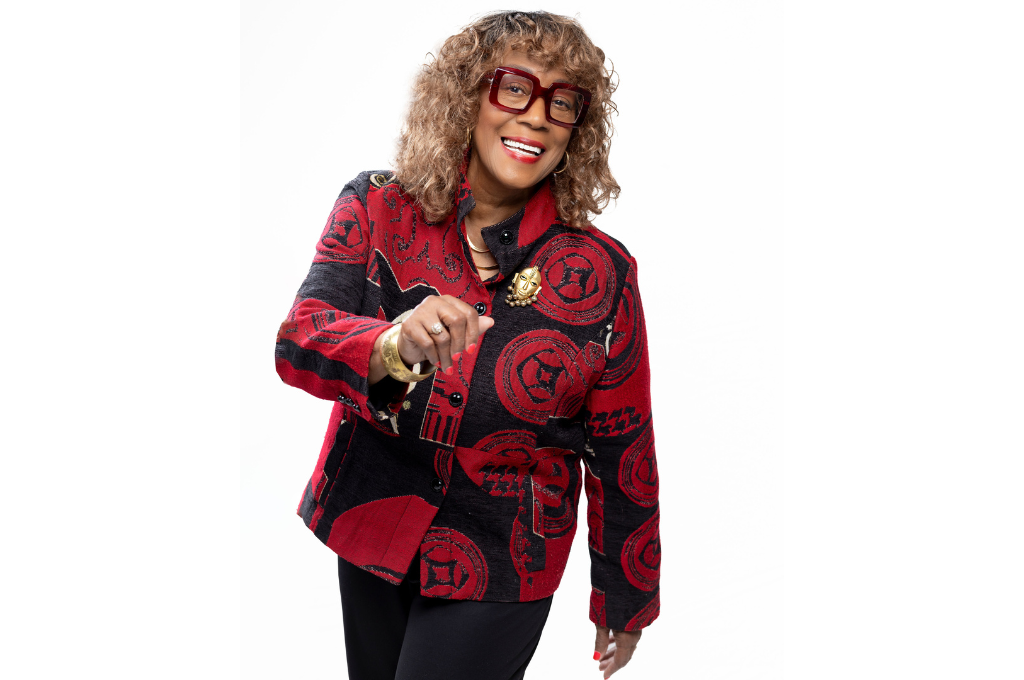
Bassist Marion Hayden

In April, I wrote an essay about young Detroit jazz musicians' lack of professionalism and indifference toward dressing well during their performances. A close friend in the jazz community recommended that I refrain from publicly sharing these opinions to avoid upsetting young musicians trying to build their careers. While many veteran musicians agreed with my viewpoint after reading the essay, younger musicians were not pleased with my comments. One well-known trumpeter checked me indirectly at a recent Dirty Dog Jazz Café concert, accusing me of hating his generation of jazz musicians, which is untrue. The young musicians can swing; I've written about that numerous times. I hate how his generation carries itself and their collective lack of professionalism. A displeased young saxophonist explained his choice of sneakers and jeans at jazz venues, attributing it to hip-hop's relaxed fashion rather than the polished sophistication of jazz musicians such as Terrell Stafford, Tim Warfield, and Jeremy Pelt. Some readers called me old-fashioned, questioning the relevance of attire to a musician's music. It's a valid question to ask. Young musicians dressing poorly for a concert disrespect the audience, venue, and music. Isn't it honorable to dress up for music? Jazz musicians traditionally dressed well as part of their professional persona. I shared insights from renowned jazz musicians on the importance of stage appearance. For example, Art Blakey advised Ralph Peterson that audiences judge musicians by their appearance before listening to them. I questioned whether jazz educators in Detroit emphasize this to young musicians.

My essay sparked a lively discussion. Vocalist Bettye LaVette mentioned she joined show business to dress up. One reader argued about the stagnant pay for jazz musicians at local clubs like Baker's Keyboard Lounge and Bert's Marketplace since the early 1980s. The comment that motivated me to write this follow-up essay questioned why I did not criticize female jazz musicians in Detroit. There was no need for criticism. Over the past 20 years, the female jazz musicians I have written about have consistently demonstrated professionalism. They are accomplished musicians who conduct themselves appropriately and merit acknowledgment.


Marion Hayden, Gayelynn McKinney, Leslie DeShazor, Joan Belgrave, Ursula Walker, Pam Wise, and Kate Patterson display flawless style and professionalism. Their concert appearances are as meticulously executed as their music. I consistently leave their performances feeling satisfied and eager for more. Patterson and Spanky Wilson are consummate performers. I experienced Patterson for the first time many years ago at a Grosse Pointe Unitarian Church jazz concert. She sang for an hour and made four wardrobe changes during the concert. She chose a different gown for each song. Both she and her band presented themselves elegantly that evening. The show was memorable. Spanky Wilson was another accomplished vocalist who loved dazzling an audience with her style, influencing the style of musicians like Marion Hayden. 
Recently, I spoke with Hayden about female jazz musicians' passion for their craft and elegant bearing. Asked if they possess something unique compared to male peers, she noted that women are more scrutinized, which necessitates careful attention to their appearance. Professionalism was ingrained in her from a young age throughout her career. She admired stylish artists like Ursula Walker and  Naima Shamborguer. Spanky Wilson influenced Hayden the most. She began wearing makeup during performances after Wilson lectured her about the importance of glamour. I don't know if other female jazz musicians like Hayden were taught the importance of professionalism growing up and taught that the stage was sacred. However, their behavior suggests they learned this lesson. Hayden read my essay and discussed it with the young musicians in her current band. She agreed with several of my points but acknowledged that times have changed, and the current generation has a different sense of style. She likes stylish musicians but implores young jazz musicians to follow the band leader's dress code. Young Detroit jazz musicians should be inspired by professionals like Hayden, Wise, DeShazor, Wilson, Walker, and Shamborguer, who exemplify how to represent jazz properly.


Sunday, May 11, 2025

JAZZ PIANIST JOEY ALEXANDER PLAYS THE BLUE LLAMA FOR THE FIRST TIME

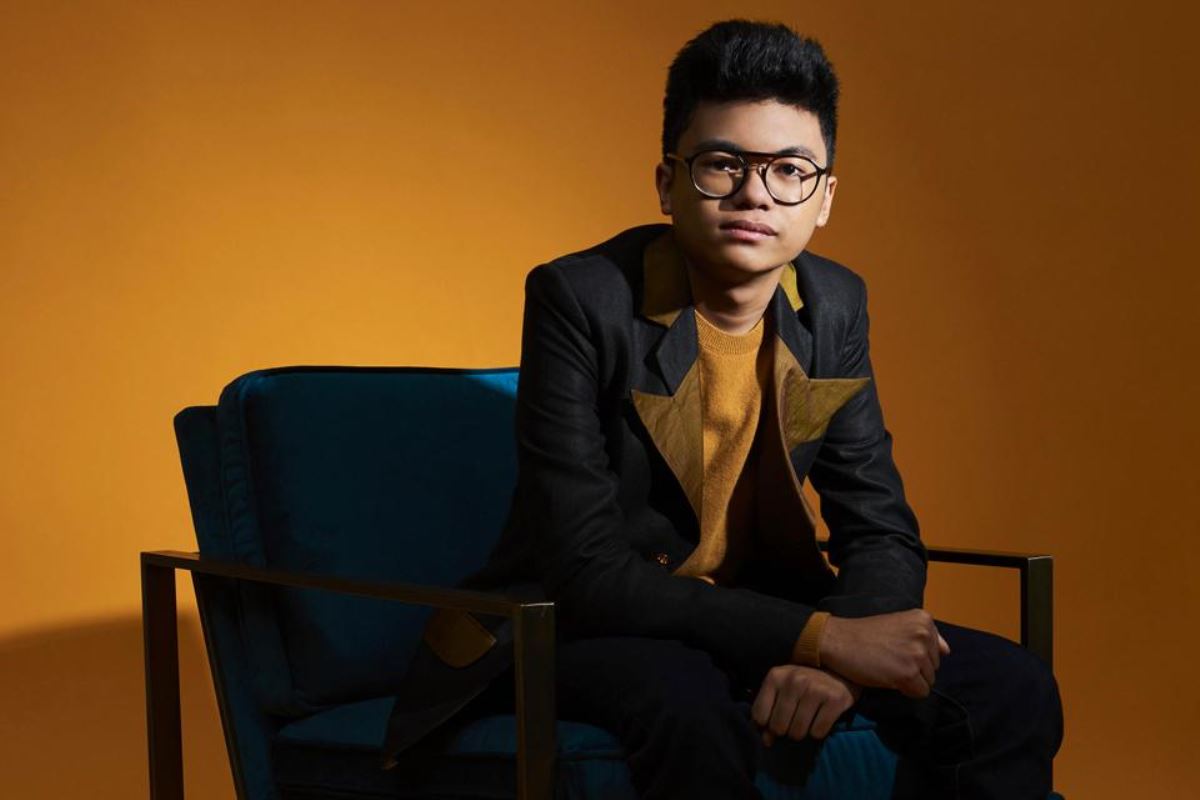
Pianist Joey Alexander
In 2018, I heard jazz pianist Joey Alexander live for the first time. He made history, opening the 2018-2019 Paradise Jazz Series at age fifteen. I recall him fascinating the series regulars with his journeyman piano command and ability to make his sidemen appear bigger than life. Since then, he has put out nine albums and performed regularly as a featured soloist with Jazz at Lincoln Center Orchestra. Now he's twenty-one, leading a highly touted jazz trio with drummer Johnathan Barber and bassist Kris Funn. On Friday night, they played the Blue Llama in Ann Arbor, MI, presenting mainly songs from Alexander's new album, "Continuance." It was an hour of expertly executed jazz. The trio members were evenly yoked and effortlessly roamed each other's musical psyches. They started the second set with "Remembrance" and soon after won over the capacity crowd with a reupholstered version of "My Favorite Things." Here, Alexander showed off his pristine and multi-layered chops. Sometimes, the music was so moving and compelling that he played standing on his tiptoes, like Keith Jarrett, who often plays standing when the music moves him. I've noticed Alexander's influences aren't always obvious like other accomplished jazz pianists. For example, after hearing Jason Moran's solo, it's clear that pianist Jaki Byard influenced him. The same goes for pianist Cyrus Chestnut. Witnessing him running through chord changes, it's clear that pianist John Hicks was his north star. With Alexander, I was immediately drawn to how perfect his playing is, how comfortable he is with standards, and how adult his original songs are. He's also masterful at quickly drawing a crowd into his orbit. He has always had a strong command of the piano and, surprisingly, the stage. That was clear during his Blue Llama debut.