|
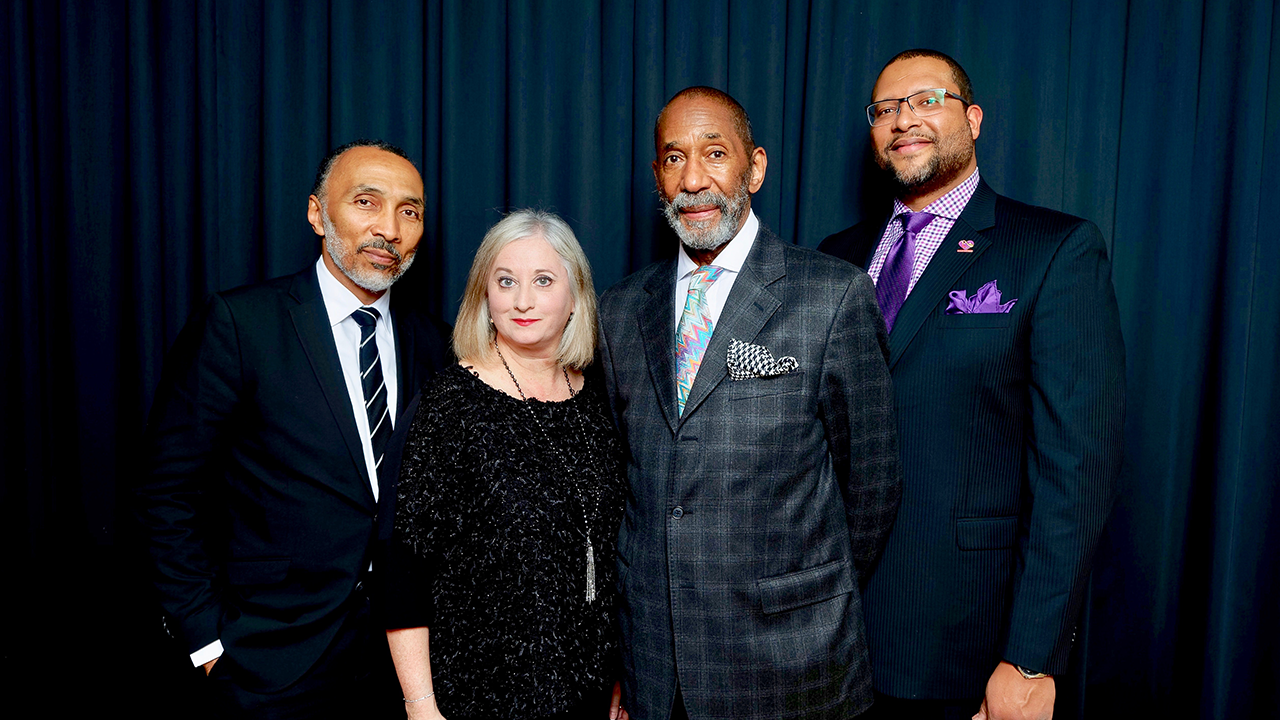
| Bassist Ron Carter |
I attended the Ron Carter
quartet concert at the Paradise Jazz Series in April. The first thing I noticed
was how sharp they were in their matching black suits. Their appearance made me
wonder why many young jazz musicians, particularly those from Detroit, never
dress up like jazz musicians did back in the day. I thought about a question I
asked the late jazz drummer and former Jazz Messenger, Ralph Peterson Jr., during
an interview for my upcoming book, "Chasing the Note." Why band
leaders like Art Blakey required their bandmates to dress up. According to
Peterson, Blakey believed that before the musicians played a single note, the
audience first saw their attire. Discerning audience members tend to make
assumptions about the music based solely on the musicians' appearance. Many
fans might believe such a claim to be silly. Blakey was right, though. If
musicians look raggedy, it's likely their music will reflect that. What Blakey
said has stuck with me. I’m embarrassed at how
poorly dressed the current generation of Detroit jazz musicians is. Hoodies,
jeans, and sneakers are acceptable attire. I question whether the colleges
where young musicians learn the nuts and bolts of music theory, orchestration,
and harmony emphasize proper stage etiquette. If so, it appears that too many of
the young musicians who play at the Dirty Dog Jazz Café, Bert's Music Café, the
Blue Llama, Cliff Bell's, Baker's Keyboard Lounge, and Aretha's Jazz Café skip
those lectures on etiquette. How can jazz musicians
perform at upscale clubs like the Dirty Dog and Blue Llama, which have a cover
charge yet dress as if they were playing at a fraternity house? It's outright
disrespectful to the audience. If you bring a date to either venue, you could drop $250.00 to hear one set. I once overheard the jazz pianist and
educator Teddy Harris Jr. tell a young musician that the audience should never
look better than the musicians whom they have paid good money to see. Harris
added that the bandstand is sacred and must be treated as such.
I hesitated about writing
this blog, knowing that it would offend many of the young players who, aside
from their lack of attention to their appearance, are excellent musicians. I was
also unsure if I would sound old-fashioned and superficial. At first, I decided
to keep my observations and thoughts to myself. That changed at the Detroit
Jazz Festival Press Conference. The band performing looked awful. One musician
wore scuffed-up black and white Air Jordans. Another had on Crocs sandals, but
at least they were new. The musicians' shabby appearance distracted from their
music. My attention shifted from their clothes to the music, never thoroughly enjoying
their original music. That's what Art Blakey was getting at when schooling
Ralph Peterson. The musicians were hired to perform at a media event for one of
the biggest jazz festivals in the world. Still, they didn't understand such an
honor call for dressing up, given that the festival sponsors, city officials, and media
personalities were in attendance. I later learned that the same musicians would
represent Detroit and the DJF in an upcoming tour of Japan.
Musicians don't always have
to wear suits and ties, but they should at least be well put together. The
tenor saxophonist Donald Walden was stylish. No fan of his would deny that. I
caught many of his local gigs. I don't recall him ever sporting a suit. Yet,
his appearance was always impeccable. Decades ago, jazz musicians were written
about in national magazines such as GQ and Esquire for their stylishness. Miles
Davis, Duke Ellington, Roy Haynes, and Coleman Hawkins were fashion icons
always on someone's best-dressed list. Non-musicians tried to mimic the style
of jazz musicians. My mentor, who introduced me to jazz, once told me that when
he proposed to his wife of 60 years, he wore a tailored suit like the one
trumpeter Lee Morgan wore as a Jazz Messenger. Jazz musicians of the past
possessed a certain dignity. Yes, they had struggles with addiction and other vices,
but it meant something to be a jazz musician. How they talked, walked, and
dressed spoke to that reality. It was easy to distinguish between jazz
musicians and other musicians. You wouldn’t be wrong to mistake a jazz musician
now for rock & roll or hip-hop musicians.
Last week, I saw the famous
Great Day in Harlem photo. On a hot summer day in 1958, all the male
musicians pictured were dressed like leading men. There are all sorts of jazz
lore about how meticulous jazz musicians were about their clothes. For example,
trumpeter Miles Davis said the great tenor saxophonist Dexter Gordon wouldn't
allow musicians to hang around him if they weren't dressed right. In his
autobiography, Miles wrote that Gordon told him he couldn't be seen with Miles
until he got some vines (clothes). Trumpeter Rex Stewart noted in his book "Jazz
Masters of the 30s," which documented some of the quirks of famous jazz
musicians, that Duke Ellington was so fussy about his clothes that he wouldn't
wear a suit coat if any of the buttons were slightly loose. The Jazz at Lincoln
Center Orchestra’s appearance is always polished. Its leader, Wynton Marsalis, joked that if the music isn't happening, at least the band looks good.
 |
| Trumpeter Miles Davis |
Closer to home, I recall the Detroit drummer
Sean Dobbins telling me the pianist Claude Black chastised him about how he
dressed. According to Dobbins, Black was embarrassed to be on stage with him
and made him buy some suits. That's how seasoned jazz musicians used to tear
into younger musicians for any breaches of etiquette. Somehow, that type of
homegrown mentoring has stopped. I asked Dobbins once after his performance at
the Dirty Dog why young guys don’t care how they look on stage. He said he
could only require that musicians dress up in his band. Why does dressing well matter?
Deep down, who gives a shit what jazz musicians perform in? Those are
reasonable questions. Jazz musicians dressing up are part of tradition and acknowledge
what Teddy Harris believed was sacred, the bandstand. I’m not sure if anyone cares
about my observations, opinions, or agrees that the current generation of Detroit jazz
musicians needs to be concerned about professionalism. Performing at a concert
hall or popular jazz club in a hoodie, sneakers, and jeans is in bad taste. Here
are a few suggestions: Club owners should establish a dress code for the
performers. Universities could offer classes in grooming and professionalism. That
would be a good starting point. Ron Carter informed his students at City
College in New York, if they wanted to perform with him in the concert at the end
of the semester, a blue suit and tie were mandatory. I left the Carter’s Paradise Jazz
Series concert feeling good. At 88, he's still sharp musically, and his style is still impeccable. I wish more of Detroit's current jazz musicians had attended
the concert to witness professionalism at its finest.